Book Online

What to do after passing your driving test

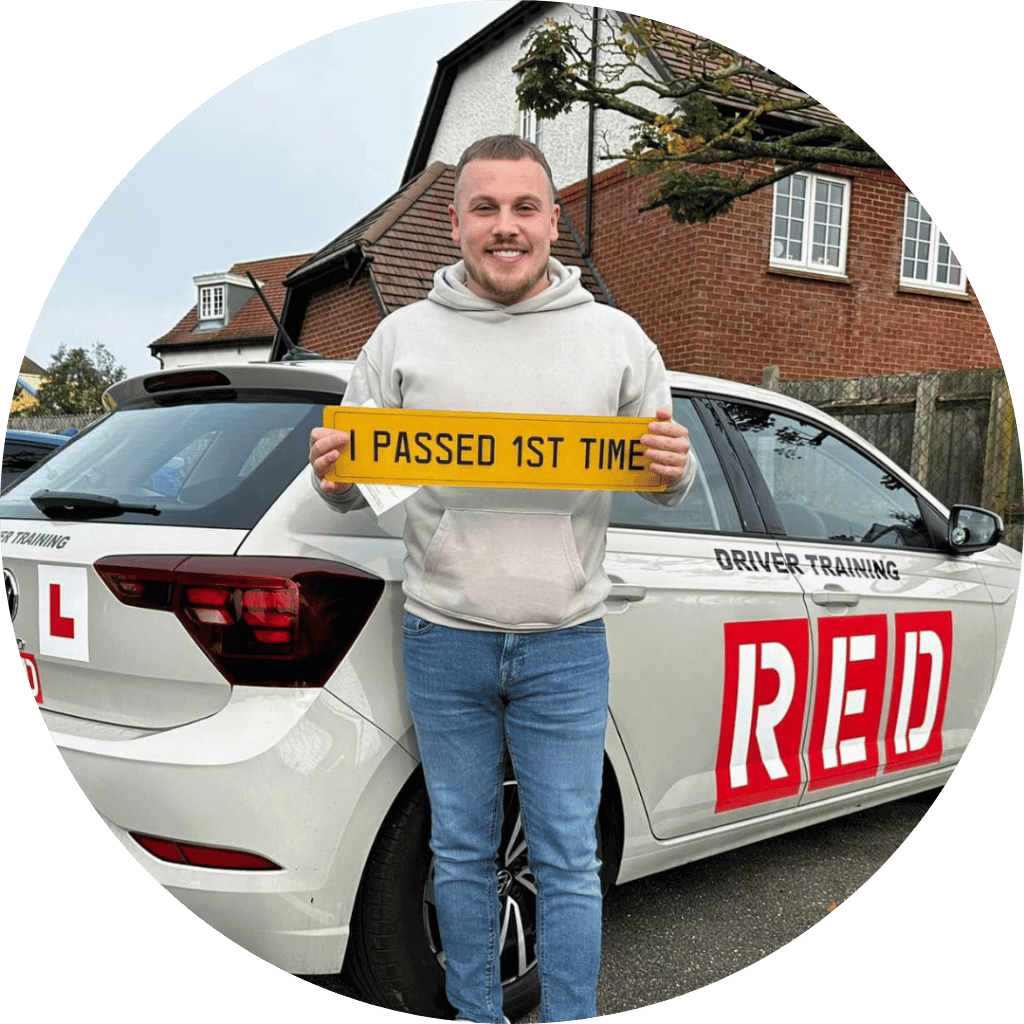
Congratulations on passing your practical driving test! You're now holding your pass certificate, but what happens after you pass your driving test? And more importantly, how do you become a confident, safe driver in those crucial first weeks?

Download our app

Can you drive straight after passing your test?

You can drive straight after passing your driving test in the UK. Your pass certificate acts as a temporary licence until your full photocard arrives. This means you’re legally allowed to drive alone the moment you leave the test centre.

However, being legally allowed to drive and being fully prepared are two different things. Your first solo journey can feel very different from lessons. There’s no instructor beside you, no dual controls, and every decision is yours alone.

If you’ve arranged to use a family car or have your own vehicle ready, you could technically drive home from the test centre. Just make sure you’re insured before you set off.


What happens after you pass your driving test?

Here’s what you need to sort out in the days after your driving test pass.

Your licence

Once you have passed your test, the examiner can take your provisional licence to send it to the DVLA, which will automatically update your provisional licence to a full licence. Your new photocard usually arrives within three weeks. Until then, keep your pass certificate with you when driving.

Insurance

You cannot legally drive without insurance. Before you get behind the wheel, contact insurers and get a policy in place. Newly qualified drivers often face higher premiums, so compare quotes from several providers. Some insurers offer telematics policies that reward safe driving with lower costs

Your first car

If you don’t already have a vehicle, now’s the time to start looking. Consider running costs, insurance group ratings, and reliability alongside the purchase price. Smaller engines typically mean cheaper insurance for new drivers

P plates

Displaying green P plates is optional but recommended. They signal to other drivers that you’re newly qualified, and many will give you extra space and patience as a result.

The first 90 days: What to expect

The period after passing your driving test is when you’ll learn the most. Your test proves you can drive safely, but real confidence comes from experience. Here’s how to approach those first three months.

Weeks 1 to 2: build confidence gradually

Start with familiar routes. Drive to places you know during quieter times of day. Avoid rush hour traffic, complex junctions, and motorways until you’ve got a few solo hours under your belt.

Weeks 3 to 6: expand your range

Once you’re comfortable with local roads, push your boundaries slightly. Try different weather conditions, drive at night, and tackle busier roads. Each new situation adds to your experience bank.

This is also when many new drivers start driving with friends as passengers. Be aware that passengers can be distracting, especially if they’re chatty or excitable.

Weeks 7 to 12: consolidate and refine

By now, you should feel more natural behind the wheel. Use this time to identify any weaknesses. Perhaps you’re still nervous about roundabouts or hesitant when joining dual carriageways. Targeted practice helps iron out these issues.

Dangerous driving habits and how to avoid them

Many bad driving habits develop in the first few months after passing. Without an instructor watching, it’s easy to let standards slip. Here are the most common issues to watch for.

Increasing speed

When roads are quiet, speeds tend to creep up without you noticing. Check your speedometer regularly and be aware of situations where your speed can increase without your realising. Speeding is one of the most dangerous driving habits and a leading cause of serious accidents.

Following other vehicles too closely

New drivers often underestimate stopping distances, especially at higher speeds. Keep at least a two-second gap from the vehicle ahead. In wet conditions, double it.

Not checking mirrors (MSPSL routine)

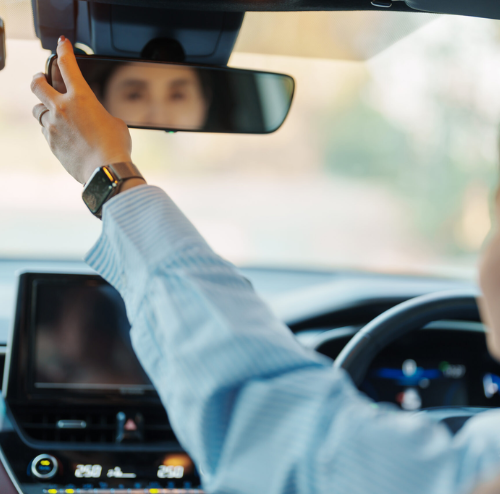
After months of being corrected by an instructor, some new drivers stop checking mirrors (MSPSL routine) as thoroughly once they’re alone. Keep up the good habits you learned. Check mirrors before signalling, before braking, at junctions and before changing direction.

Phone distraction

It’s illegal to use a handheld phone while driving. Put your phone out of reach (preferably in the glovebox away from sight) or use a mount with hands-free functions only. Even glancing at a notification takes your eyes off the road at the worst possible moment.

One-handed steering

This might look casual, but proper two-handed control gives you a better response in emergencies. Keep both hands on the wheel except when necessary, i.e. changing gear, signalling, wipers, etc.

Bad driving habits to avoid from day one

The habits you form now will stick with you. Make sure they’re good ones. Here are some examples of bad habits to avoid:

  • Not adjusting mirrors properly before setting off
  • Resting your hand on the gear stick
  • Braking harshly instead of reading the road ahead
  • Forgetting to signal when there’s no one obviously around
  • Sitting too close to the steering wheel or slouching
  • Skipping regular vehicle checks like lights, tyres, and oil

These might seem minor, but small bad habits lead to bigger problems over time.

New driver mistakes: The most common ones

Understanding common mistakes new drivers make helps you avoid them. Here’s what catches people out.

Misjudging gaps

Joining traffic from junctions or changing lanes requires accurate judgement of speed and stopping distance. When in doubt, wait for a clearer gap rather than forcing your way in.

Panicking at unexpected events

A pedestrian stepping out, a car braking suddenly, or an ambulance appearing behind you can all trigger panic. Stay calm, focus on what you need to do, and avoid overreacting with sharp steering or heavy braking.

Forgetting basic maintenance

Your car needs fuel, oil, water, and air in the tyres. A flat tyre or overheating engine on your first solo journey is stressful and avoidable. Check your vehicle weekly.

Underestimating tiredness

Driving when tired is as dangerous as driving over the limit. If you feel drowsy, stop somewhere safe and rest. No journey is worth the risk.

How to keep improving after your test

Passing your test is the starting point, not the finish line. Here’s how to continue developing:

Drive regularly

Skills fade without practice. Try to drive at least two or three times a week during your first 90 days. Longer gaps between drives mean you lose the muscle memory and confidence you’ve built.

Reflect on each journey

After driving, think about what went well and what felt difficult. Were there moments where you hesitated too long or felt unsure? Identifying these helps you focus your practice.

FAQs

How long does it take to get my full licence?

Your photocard licence usually arrives within three weeks. The DVLA processes it automatically after you pass.

Are P plates compulsory?

No. P plates are optional in England, Scotland, and Wales. However, they’re a sensible choice for the first few months as they encourage other drivers to be patient.

Is it normal to feel nervous driving alone?

Completely normal. Most new drivers feel anxious on their first few solo trips. Start with short, familiar journeys and gradually expand your range as confidence builds.