
Book Online

When do pedestrians have the priority?

Pedestrian priority is something that every driver should understand, yet many are unaware of exactly when and where it applies. According to the Highway Code, pedestrians have priority in more situations than most drivers realise, and the 2022 rule updates may have left some drivers with outdated knowledge.

Download our app
Five Times You Didn’t Realise Pedestrians Have priority

1. WHRN TURNING AT A JUNCTION

This is one of the most frequently misunderstood rules on the road. When you are turning into a side road, any pedestrian who is already crossing or waiting to cross that road has priority. As part of the 2022 Highway Code updates this rule was made much more clear, meaning drivers must give way rather than expecting pedestrians to wait.

2. ZEBRA COSSINGS

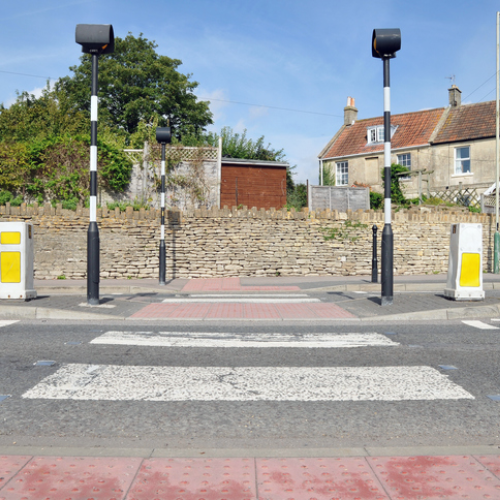
Most drivers know they must stop when a pedestrian is already on a zebra crossing, but many do not realise the new rulings on top of this. Under the updated Highway Code, drivers should give way to pedestrians who are waiting at a zebra crossing, not just those who have already stepped onto it.

3. WHEN THERE'S NO PAVEMENT

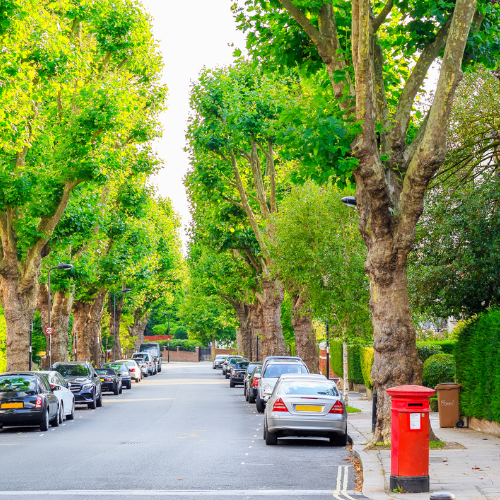
Where there is no pavement available, pedestrians are permitted to walk in the road and oncoming traffic is expected to give way to them. This most commonly occurs on country lanes and rural roads, where drivers should always be prepared to slow down or stop when pedestrians are present. Pedestrians are advised to walk in the direction of the oncoming traffic to make themselves more visible.

4. WHEN REVERSING FROM DRIVEWAYS

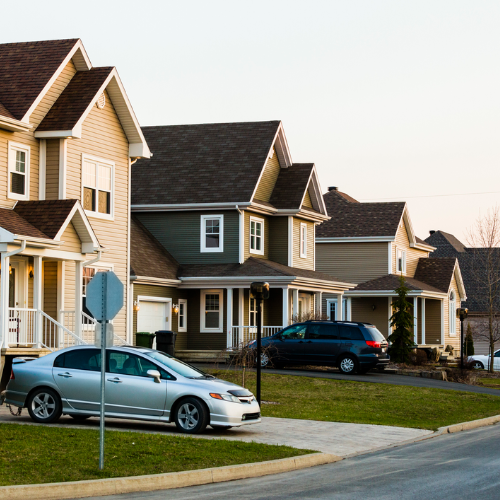
When reversing out of a driveway onto a public road, pedestrians on the pavement always have priority. Drivers must check carefully before reversing and give way to anyone on foot before pulling out, making it essential to take your time and never rush this manoeuvre. It is recommended to reverse into your driveway where possible, as this will give you better visibility when you are leaving again.

5. WHEN A BUS HAS STOPPED AT A BUS STOP

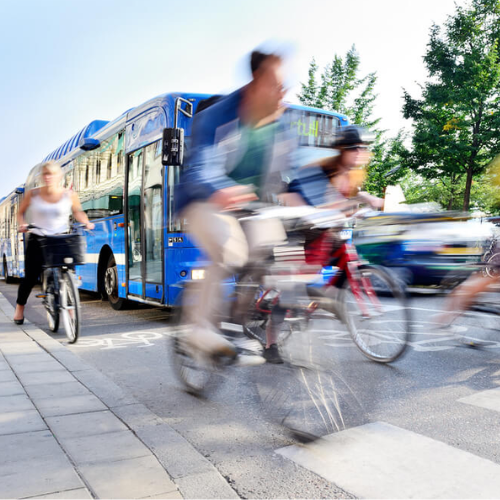
When a bus pulls into a bus stop and passengers are boarding or getting off, pedestrians crossing in front of or behind the bus have priority. This is a situation that many drivers handle incorrectly, often creeping forward impatiently without considering the surrounding pedestrians.

Different types of pedestrian crossings​

There are several types of pedestrian crossings on UK roads, each with their own set of rules that every driver is expected to know. This is a list of them and the different rulings.

  • Zebra – Most common of the crossings and noticeable with its black and white stripes. Pedestrians have priority here and drivers should stop on all occasions.
  • Pelican – This is one of the most common crossings and located by traffic lights. Pedestrians must wait for the green man before crossing and drivers must stop when the traffic light signals red. It is important to note if the amber light is flashing, you must give way to pedestrians already crossing and when the crossing is clear you can continue with caution.
  • Puffin – Similar to a pelican crossing but uses sensors to detect when pedestrians are still crossing, holding the red light for drivers until it is safe to proceed.
  • Toucan – Designed for both pedestrians and cyclists to cross together. These are wider than other crossings and often found near cycling paths.
  • Pegasus – This is designed as an equestrian crossings, helping horse riders cross the road safely, but can also be used for pedestrians.
  • Parallel – The newest type of crossing, introduced in 2022 with the Highway Code updates. Similar to a zebra crossing but with an adjacent cycle lane, giving cyclists and pedestrians the right to cross simultaneously.

Highway code fines​

Ignoring pedestrians’ priority is not just dangerous but it can also be costly as a driver. The Highway Code lists the rules surrounding all the rights pedestrians have, and if drivers fail to follow these guidelines they could be sanctioned.

Failing to give way to a pedestrian at a crossing can result in fines up to £100 and three points on your licence. In more serious cases where the driver is deemed dangerous or careless, the matter can be taken to court and fines can rise significantly. So it is essential to always be aware of your surroundings and give priority at crossings to avoid fines.

FAQs

Why should you never wave people across at pedestrian crossings​​?

Waving people across pedestrian crossings can be extremely dangerous as you are only speaking for your vehicle and you can’t guarantee that other drivers have seen the pedestrian or intend to stop. As a result, a pedestrian who acknowledges your wave may step out in front of another oncoming vehicle, which could have devastating consequences. This is why the Highway Code states pedestrians should only cross when it is safe to do so, and that drivers should not signal for pedestrians to cross.

What is a pedestrian zone?

A pedestrian zone is a designated area, usually in a town or city centre where vehicle access is either restricted or prohibited entirely to keep pedestrians safe. These areas are usually marked with signs and may have set times during which the restrictions apply. For drivers it is important to be aware of pedestrian zones, as accidentally entering one during restricted hours could result in a fine.


Do you get points for driving in a pedestrian zone?

Most of the time driving in a pedestrian zone during restricted hours will just result in a fine rather than points on your licence. However, if you’re driving within a pedestrian zone and this is deemed to be dangerous either through reckless behaviour or speeding, then this could escalate into points being added to your licence.