Book Online

Passenger rules for new drivers

Passing your driving test is a big achievement. But driving on your own brings new responsibilities, especially when you have people in the car with you. This guide explains the passenger rules for new drivers in the UK. It covers what the law says, how passengers affect your driving, and how to stay safe during those first months on the road.

Download our app

Driving with passengers safely

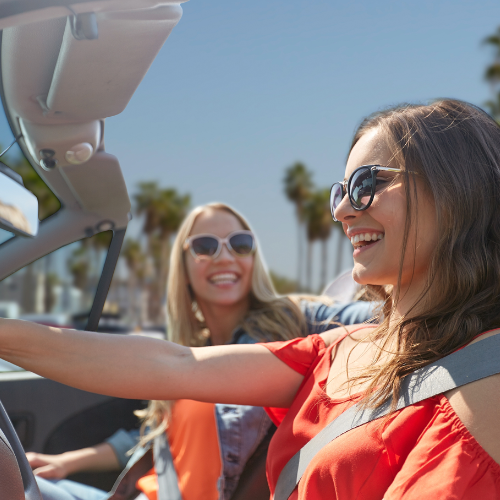
Having passengers in the car can make driving more enjoyable, but they can also become a distraction if you’re not prepared. Whether you’re driving friends, family members or colleagues, it’s important to stay focused on the road and avoid anything that takes your attention away from driving.

Building good habits early will help you stay safe and become a more confident driver.

Keep conversations under control

Talking while driving is normal, but loud conversations, shouting or multiple people talking at once can make it harder to concentrate. If you’re driving on busy roads, in poor weather or somewhere unfamiliar, don’t be afraid to ask your passengers to keep the noise down until you’re in a safer situation.

Turn down the music

Music that’s too loud can stop you hearing important sounds such as emergency vehicle sirens, car horns or warning noises from your own vehicle. Lower the volume or turn the music off completely if you need to concentrate, especially when parking, joining a motorway or navigating complex junctions.

Pull over if something needs your attention

If a passenger needs help, an argument starts, or someone drops an item, don’t try to deal with it while you’re driving. Find a safe place to pull over before taking your eyes off the road. A short stop is far safer than trying to multitask behind the wheel.

Set your sat nav before you leave

Entering an address or adjusting your route while driving is distracting and dangerous. Programme your sat nav before you set off, or ask a passenger to make any changes for you if you need to update your route during the journey.

Make sure everyone wears a seatbelt

Before moving off, check that every passenger is wearing their seatbelt correctly. Seatbelts significantly reduce the risk of serious injury in a collision and help protect everyone in the vehicle.

Don’t feel pressured by passengers

Passengers may encourage you to drive faster, take risks or show off, particularly if you’re a newly qualified driver. Remember that you are in control of the vehicle. Stay within the speed limit, follow the rules of the road and drive in a way that makes you feel safe and comfortable.

Remember, you are the driver, which means you are responsible for how the vehicle is driven and for the safety of everyone inside it. Good drivers aren’t influenced by distractions; they stay calm and focused, making sure that safety is their priority on every journey.


Can new drivers have passengers?

No law in the UK stops new drivers from carrying passengers. Once you pass your test, you can legally have a car passenger straight away. Unlike some countries, the UK does not have a graduated licensing system. You have the same rights as any other full licence holder from day one.

However, having passengers changes how you drive. Research shows that newly qualified drivers are 4 times more likely to crash when carrying passengers compared to driving alone.

How many passengers can a new driver have in the UK?

The number of passengers you can carry depends on your vehicle, not your experience level. You can carry as many people as there are seatbelts in your car. Most standard cars have five seats, so you can carry four passengers and all passengers must wear a seatbelt. Carrying more people than seatbelts is illegal and dangerous.

Why do passengers increase the risk for new drivers?

Statistics from Brake, the road safety charity, show that having passengers in the car raises the crash risk for new drivers. The reasons include:

  • Conversations that pull your attention from the road
  • Pressure to drive faster or take risks
  • Louder music or more noise inside the car
  • Feeling nervous or wanting to impress friends

A study by the RAC Foundation found that male drivers aged 17 to 24 are more than twice as likely to crash when carrying passengers of a similar age compared to driving alone.

Night time driving with passengers

Most serious crashes involving young drivers happen at night. Adding passengers to the mix raises the risk further. If you are driving at night with friends in the car, you should:

  • Stay on routes you know well
  • Take breaks if you feel tired
  • Avoid driving between midnight and 6 am when fatigue risk is highest

Your reaction times slow when you are tired. Distractions from passengers make this worse.

Passengers and your insurance

Your car insurance allows you to carry passengers, but if you have an accident, your insurer may ask questions about who was in the car and what they were doing.

Some new driver policies come with telematics boxes that monitor your driving. These can pick up sudden braking, harsh acceleration and late-night journeys. If your driving score drops, your premium could rise at renewal.

FAQs

Is there a limit on passengers for new drivers in the UK?

No. You can carry as many passengers as your car has seatbelts. There is no legal restriction based on how long you have held your licence.

Do I need to tell my insurer about passengers?

You do not need to inform your insurer every time you carry someone. However, if you have an accident, they may ask who was in the car.


Can a new driver carry passengers on the motorway?

Yes. Once you have a full licence, you can drive on motorways with passengers. Consider taking a motorway lesson if you feel unsure.


Are passengers covered by my car insurance?

Yes. Standard car insurance covers passengers for injury claims. Your policy does not need a separate addition for this.

What happens if a passenger distracts me and I crash?

You are legally responsible for how you drive. If distraction causes an accident, you could face prosecution for careless or dangerous driving.