

Book Online

Taking extra care when driving in windy conditions

Passing your driving test is a huge achievement. But your test likely took place in low-risk weather conditions, on familiar roads, with a calm examiner beside you. Real-world driving throws up challenges you may not have practised. Driving in high winds is one of them.

Download our app
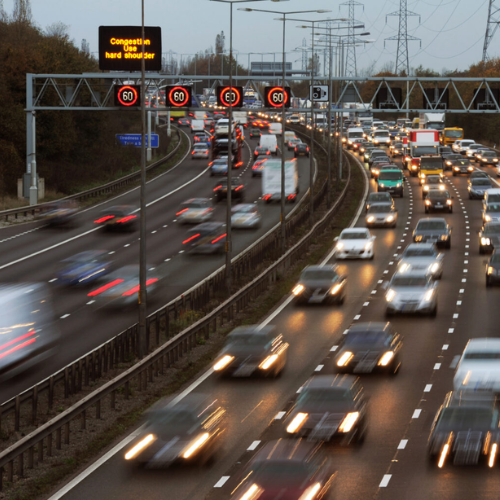
Why is windy weather dangerous for drivers

Wind affects your car in ways you might not expect. A sudden gust can push your vehicle sideways, especially if you are driving a tall or light car. You may feel the steering wheel pull in your hands. Your stopping distance can change, and other road users become less predictable.

This means that risks increase in certain situations, such as:

  • Overtaking or being overtaken by large vehicles
  • Driving across exposed bridges or open stretches of road
  • Passing gaps in hedgerows or buildings where gusts funnel through
  • Driving alongside high-sided vehicles such as lorries, vans or buses

Driving in windy weather is not just about keeping your car on the road. It is about anticipating what the wind might do next.


Requirements when driving in windy conditions

The official DVSA theory test asks this question. The answer covers several key hazards, such as:

  • Cyclists and motorcyclists are especially vulnerable. A gust can blow them into your path without warning. Give them extra space when overtaking. Be patient and wait for a safe gap.
  • High-sided vehicles such as lorries, caravans and buses can sway or veer suddenly in strong crosswinds. Keep your distance and be ready for their lane position to shift.
  • Pedestrians may struggle to control umbrellas or be blown off balance near the kerb. Watch for sudden movements, particularly near bus stops and crossings.
  • Debris on the road is common during storms. Branches, wheelie bins and loose items can appear without warning. Stay alert and scan ahead.
  • Bridges and exposed sections are often the windiest parts of your journey. Speed limits may be reduced. Warning signs may advise caution or closure for certain vehicles.

How to drive in high winds

You need to adjust your driving style to make a real difference and be aware of when weather changes happen, and what you need to do to remain safe. Here are practical tips for staying safe:

  • Hold the steering wheel firmly: Keep both hands on the wheel in a secure grip. This helps you respond quickly if a gust pushes your car sideways.
  • Reduce your speed: Should you drive slower in high winds? Yes. Lower speeds give you more time to react and reduce the force of any sudden correction. You are less likely to lose control.
  • Increase your following distance: Wind can affect braking and handling. Leave a bigger gap than usual between you and the vehicle ahead. Learn more about stopping distances in different situations.
  • Be prepared for sudden gusts of wind: Watch for signs that the wind may be stronger ahead. Gaps between buildings, exits from tree-lined sections and overtaking large vehicles are all moments when gusts can catch you out.
  • Be cautious when overtaking: Passing a lorry or coach means moving from a sheltered position into the open air. Be ready for the change. Keep a steady speed and a firm grip on the wheel.

When should you not drive in high winds?

Knowing when to stay off the road is just as important as knowing how to handle windy conditions. Here are the situations where the safest choice is to delay your journey.

  • You’re driving a high-profile vehicle: Vans, lorries, caravans, and vehicles towing trailers act like sails in strong winds. If gusts exceed 45 mph, consider postponing your trip. These vehicles can be pushed into other lanes or even tipped over.
  • Wind gusts are unpredictable or severe: Sustained winds over 30 mph make driving difficult; gusts above 50 mph make it dangerous for almost any vehicle. Check the forecast before you leave, and if a Met Office amber or red weather warning is in place, take it seriously.
  • You’re planning to use exposed routes: Bridges, coastal roads, moorland, and open stretches of motorway leave you vulnerable to sudden crosswinds with no shelter. If these are unavoidable parts of your journey, wait until conditions improve.
  • Debris or fallen trees are likely: High winds bring down branches, bins, fencing, and even roof tiles. If storms have been active, roads may be blocked or littered with hazards that are hard to see until it’s too late.
  • You’re tired, anxious, or an inexperienced driver: Driving in strong winds demands constant attention and quick corrections. If you’re not feeling confident or alert, the added mental load can make an already risky situation worse.

If you’re questioning whether it’s safe to drive, that doubt is usually worth listening to. A delayed journey is always better than one that puts you, or others, at risk.

Driving on the motorway in windy conditions

Motorways can be especially challenging when you are driving in strong winds. Speeds are higher, vehicles are larger and exposed stretches are common.

If you are driving on the motorway in windy conditions, keep these points in mind.

  • Stay in the left-hand lane unless overtaking
  • Give high-sided vehicles plenty of room
  • Watch for sudden lane changes from other drivers affected by gusts
  • Be aware of electronic signs warning of wind hazards
  • Consider leaving the motorway if conditions worsen

The Highway Code advises that you should not overtake when conditions are difficult. If the wind is making driving uncomfortable, stay in the lane and slow down.

Preparation for driving in high winds

Driving in high winds depends on a variety of factors mentioned above. One key thing is to be prepared and aware of what is required if the weather changes. Here is a summary of practical advice:

  • Check the weather forecast before setting out
  • Plan your route to avoid exposed roads and bridges where possible
  • Make sure loose items in your car are secured
  • Keep your fuel tank at least half full for added weight and stability
  • Use dipped headlights so other drivers can see you
  • Listen to traffic reports for road closures or restrictions
  • Know when to stop and wait

FAQs

Should you drive slower in high winds?

Yes. Lower speeds give you more time to react and make it easier to control your car if a gust pushes you sideways.

What should you do if you are driving on the motorway in windy conditions?

Stay in the left-hand lane, give large vehicles extra space and watch for sudden lane changes. If conditions worsen, leave the motorway and wait for the wind to drop.

Is it safe to drive in 40 mph winds?

For most drivers in standard cars, 40 mph winds are manageable with care. You will notice the wind affecting your car, especially on exposed roads. Slow down, grip the wheel firmly and stay alert.

Is it safe to drive in 50 mph winds?

At 50 mph winds, conditions become more difficult. High-sided vehicles may be restricted on certain bridges. Driving requires full concentration. Avoid unnecessary journeys if possible.

Is it safe to drive in 60 mph winds?

When the wind reaches 60 mph or above, driving is high-risk. The Met Office typically issues weather warnings at this level. Many drivers choose to stay off the roads. If you must travel, stick to main roads, avoid motorways and reduce your speed significantly.