Book Online

Driving in heavy traffic

Driving in heavy traffic tests your patience, observation and timing. It also introduces you to features like traffic calming measures that can feel unfamiliar when you first encounter them alone. This guide will help you handle congested roads with confidence.

Download our app

Why is driving in heavy traffic different?

When roads are busy, everything happens more quickly and in tighter spaces. You have less time to react and less room to manoeuvre. Other drivers may be stressed or impatient, which can lead to sudden braking or unexpected lane changes. According to the GOV’s road casualties annual report, there are around 128,000 recorded road casualties each year, with low-speed collisions being the bulk of non-fatal injuries.

Your job is to stay calm and keep your car moving safely in traffic. That means reading the road further ahead than you might on quieter routes.

How to drive safely in heavy traffic

Even though you are driving at a reduced speed, driving in heavy traffic means frequent stopping and starting, which can cause low-speed rear-end collisions due to drivers not being alert and following the appropriate stopping distance. Here is how you can drive safely in heavy traffic:

Keep a safe gap

Tailgating is common in congested traffic, but it leaves you no time to stop if the car ahead brakes suddenly. Aim for at least a two-second gap. In slow-moving queues, leave enough space so you can see the rear tyres of the vehicle in front touching the road. Find out more with our guide to car stopping distances.

Look well ahead

Do not just watch the car immediately in front. Scan three or four vehicles ahead so you can spot brake lights early. This gives you time to ease off the accelerator rather than stamp on the brake.

Use your mirrors often

Traffic and road safety depend not only on knowing what is coming up ahead of you, but also on what is happening behind you and to the sides. Check your mirrors before you slow down, change lanes, or stop. If a driver behind is following very closely, avoid braking sharply. Instead, increase your gap to the vehicle ahead so you can slow more gradually.

Stay in your lane

Weaving between lanes rarely saves time and increases the chance of a collision. Pick a lane, stay in it and be patient.

Be ready at junctions

In queuing traffic, do not block side roads or box junctions. Stop where others can still turn in or out. It keeps traffic flowing and avoids frustration. Remember, the rules for yellow box junctions still need to be followed whilst in traffic; otherwise, you will get a PCN (penalty charge notice).

What are traffic calming measures?

Traffic calming measures are physical features designed to slow vehicles and make roads safer for everyone. You will find them in residential areas, near schools and on routes where speeding has been a problem.

Common examples include:

  • Speed humps and raised tables
  • Chicanes that narrow the road
  • Width restrictions and pinch points
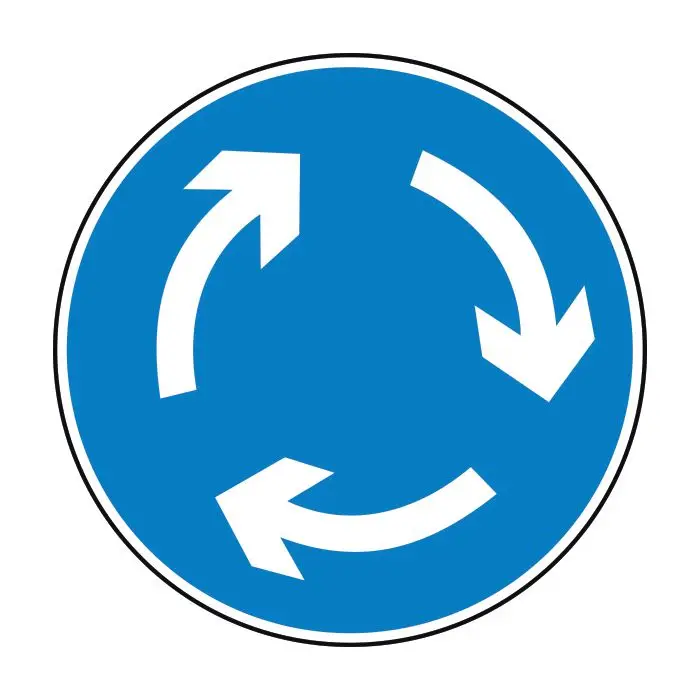
  • Mini roundabouts
  • Speed cushions

These features force you to reduce speed even when the road ahead looks clear.

What’s the reason for traffic calming measures?

The main reason is safety. Slower speeds give drivers more time to react and reduce the severity of collisions. Pedestrians and cyclists are particularly vulnerable, so calming measures help protect them.

There are also quality-of-life benefits. Quieter, slower streets encourage walking and cycling. They can also discourage drivers from cutting through residential roads to avoid main routes.

How should you drive in areas with traffic calming measures

Approach each feature at an appropriate speed. For speed humps, slow to around 15 to 20 mph unless signs say otherwise. Braking hard at the last moment is uncomfortable for passengers and harsh on your suspension.

On chicanes (S-shaped curved roads) and narrow sections, give way to oncoming traffic if necessary. Look for signs and road markings that tell you who has priority. If there is no sign, be prepared to stop and let the other vehicle through.

Stay alert for pedestrians stepping out. Calming measures often appear where foot traffic is high.

Tips for long journeys through heavy traffic

When planning a journey, it is always advised to plan your route and look to see if there is expected traffic. Here are some top tips for long journeys:

  • Plan your route before you leave. Sat-nav apps can show live congestion and suggest alternatives. Allow extra time so you do not feel rushed.
  • Take breaks if you are sitting in queues for a long time. Tiredness affects concentration, and congested driving is mentally draining.
  • Keep your fuel, water and washer fluid topped up. Stop-start driving uses more fuel than cruising, and dirty windscreens make busy roads harder to read.

FAQs

How can I stay calm when traffic is not moving?

Focus on what you can control. Keep your following distance, check your mirrors and avoid reacting to impatient drivers around you. Playing calming music or a podcast can help pass the time without distracting you.

Is it safe to use cruise control in heavy traffic?

No. Cruise control is designed for open roads at steady speeds. In congestion, you need instant control of the accelerator and brake. Keep your feet ready to respond.

What should I do if someone is tailgating me?

Do not speed up or brake suddenly. Increase the gap to the vehicle in front so you can slow more smoothly if needed. If safe, let the tailgater pass.


Are traffic calming measures the same everywhere?

No. Design varies by council and road type. Always watch for warning signs and adapt your speed to each feature.

Do I need extra lessons to handle heavy traffic?

Not necessarily, but post-test training can build confidence. A motorway lesson or refresher course often includes busy dual carriageways and city driving, which gives you supervised practice in real congestion.