ADI part 3: Instructor ability test

This is the final step in becoming a qualified driving instructor. Part 3 tests whether you can plan and deliver a real driving lesson, not just drive well yourself. Here’s everything you need to know to prepare and pass the first time.


Request free info pack

What’s in ADI part 3?

You’ve proven you can drive in ADI part 2. Now show you can teach. In Part 3, you will be assessed your ability to teach pupils effectively. The test lasts for approximately 45 minutes and comprises of a real lesson to a pupil under supervision from a DVSA examiner.

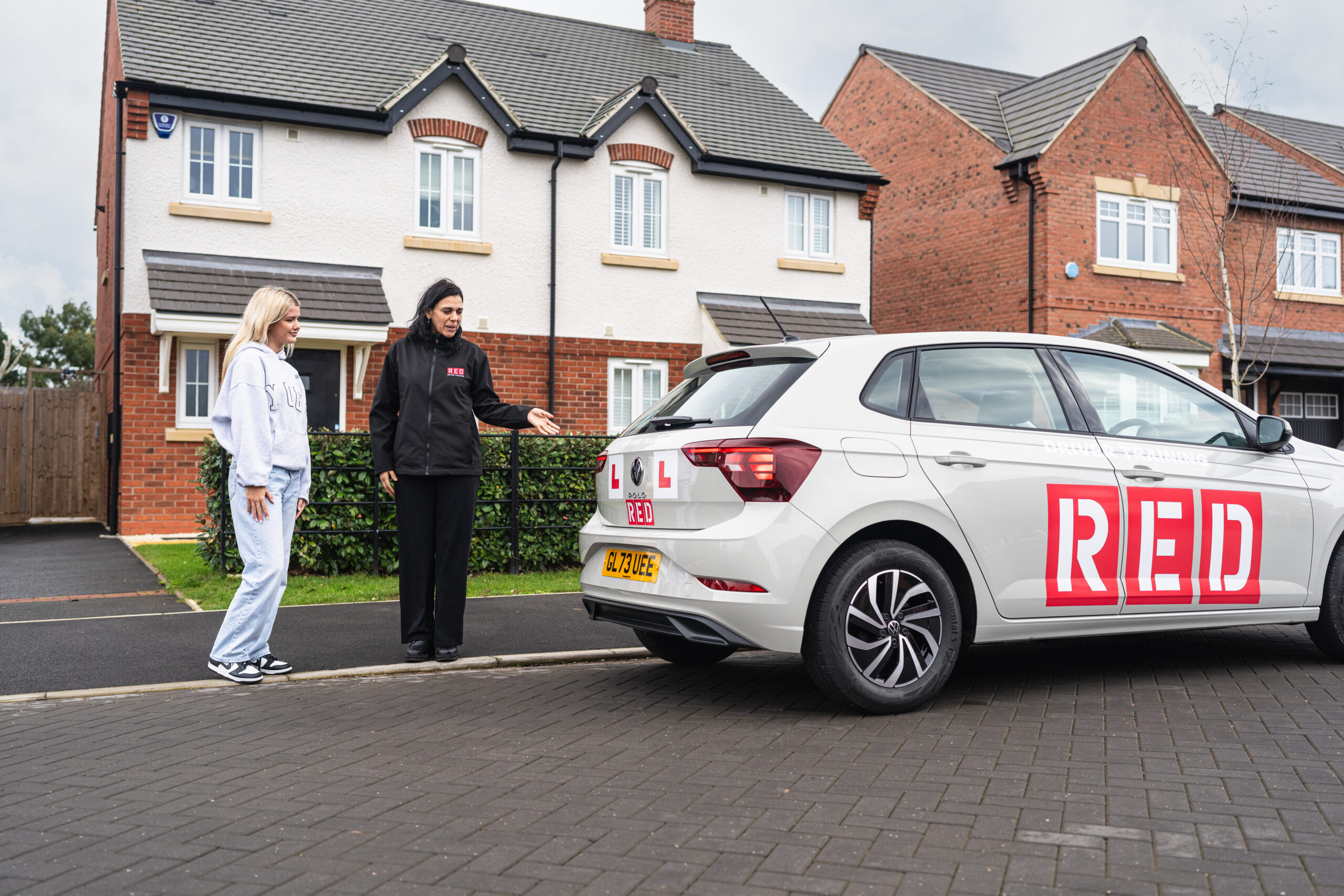
In this test your pupil will drive for approximately 40 minutes. You’ll be sat in the front passenger seat and the examiner will be in the back, assessing your instruction skills.


How is the test marked?

ADI part 3 is then marked out of a total 51 points and your examiner will score you across 17 individual competencies in which you will be scored between 0-3 based on your ability to teach (0 = Poor & 3 = high competence).

These 17 competencies are grouped under three subgroups which include:

Questions you'll be assessed on

1

Lesson planning (4 areas)

  • Did the trainer identify the pupil’s learning goals and needs?
  • Was the agreed lesson structure appropriate for the pupil’s experience and ability?
  • Were the practice areas suitable?
  • Was the lesson plan adapted, when appropriate, to help the pupil work towards their learning goals?
2

Risk management (5 areas)

  • Did the trainer ensure that the pupil fully understood how the responsibility for risk would be shared?
  • Were directions and instructions given clear and given in good time?
  • Was the trainer aware of the surroundings and the pupil’s actions?
  • Was any verbal or physical intervention by the trainer timely and appropriate?
  • Was sufficient feedback given to help the pupil understand any potential safety critical incidents?
3

Teaching, learning and assessment (8 areas)

  • Was the teaching style suited to the pupil’s learning style and current ability?
  • Was the pupil encouraged to analyse problems and take responsibility for their learning?
  • Were opportunities and examples used to clarify learning outcomes?
  • Was the technical information given comprehensive, appropriate and accurate?
  • Was the pupil given appropriate and timely feedback during the session?
  • Were the pupil’s queries followed up and answered?
  • Did the trainer maintain an appropriate non-discriminatory manner throughout the session?
  • At the end of the session – was the pupil encouraged to reflect on their own performance?

Questions & Answers

Once the lesson is complete, you’ll give the pupil their feedback before speaking to the examiner further.

At this point, your examiner will talk through your performance with you. This is where your ADI Part 3 questions & answers come in. This isn’t a quiz with right or wrong answers, but more a conversation about your lesson, the decisions you made and how your pupil performed. This discussion doesn’t affect your result but provides valuable feedback to help you understand what went well and where your teaching could be improved.

What is the ADI part 3 pass mark?

There are 3 different scores you can achieve for part 3 and this will depend if you pass or not. This is out of a total 51 and you will pass with anything 31 and above, but if scoring 7 or less in the risk management section you’ll also be unsuccessful.

Grade A
High pass
43-51

Grade B
Standard pass
31-42

Fail
Unsuccessful
0-30

What happens if I fail the ADI Part 3?

You get three attempts at ADI part 3 in total, so one setback isn’t the end of the road, but if you are to fail all 3 attempts (normally when instructors lack preparation) you’ll need to stop giving paid lessons and restart from part 1. This can sound scary to some but this is very rarely the case when instructors prepare properly.

ADI Part 3 training materials

At RED, we include 24 hours of 1-to-1 in car training, delivered across multiple sessions, alongside webinars, manuals, online tools and expert support. Potential Driving Instructors (PDI) can also opt to become a trainee licence holder and start earning before passing Part 3. This is our most popular route, chosen by 75–80% of trainees.

This is some of the most comprehensive, 1-to-1 practical training in the industry, and one of the many reasons successful instructors choose RED.

Request free info pack
How to book ADI part 3?

Once you’ve passed part 2, you’ll be able to book your part 3 test through the Gov website again. It is important to remember you’ll need to arrange your pupil in advance and confirm they’re happy to take part in an assessed lesson.

Find out more about each stage in the ADI process

ADI Overview

Understand all three stages further

ADI Overview

ADI Part 1

Understand the theory test further

ADI Part 1

ADI Part 2

Understand the instructing test further

ADI Part 3

Request an infopack

  • By submitting this enquiry you are giving your consent to allow RDS Driving Services Limited to contact you to discuss our instructor training and franchise services and to send you relevant information via email and SMS about any of our driver training courses, driving related career opportunities and services, including those provided by FBTC Accountancy Services, our accountancy and taxation services division. We will hold your data for this purpose for a period of up to 3 years. We will not use or share your data for any other purpose.
Hear from our Approved Driving Instructors

Why train with RED?

FAQs

How long is the ADI part 3 test?

The test itself takes around an hour in total. This includes your lesson with your pupil, plus a discussion with your examiner afterwards about how it went.

How much is the ADI part 3 test?

Like part 2 the DVSA test costs £111. As with the previous tests we always recommend being fully prepared before booking so you’re ready to pass and don’t need to pay to resit if things don’t go your way the first time.

Do I need to supply the pupil?

Yes, you’ll need to bring a student with you to your test as you are assessed on your ability to give a real lesson, so ideally the student is still learning, ensuring there’s a genuine skill to learn. This will also make it easier for you as you can teach them some new skills and offer genuine feedback.