
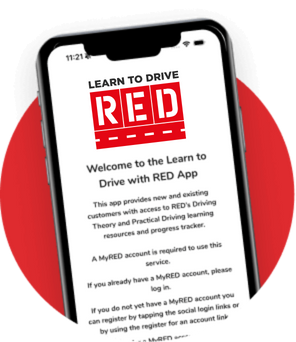
Get a 30-day free trial of our app and start learning your theory today!



Get flexible learner driver insurance today.
Get a quoteLearn with RED. Practise with VeygoGetting ready to start driving, but not sure where to begin? Or maybe you’re not sure where you are on your journey to becoming a driver. Use our driving test checklist to help navigate what stage you are at, and download the Learn To Drive With RED app to learn and test your knowledge.
Download our app and start your free trial




























Level 1 – Knowing the basics
This section is all about the basics, including information on responsibilities, security and safety.
Before you get behind the wheel, it is important to understand the law that applies to those who drive and the requirements for the car they’re driving.
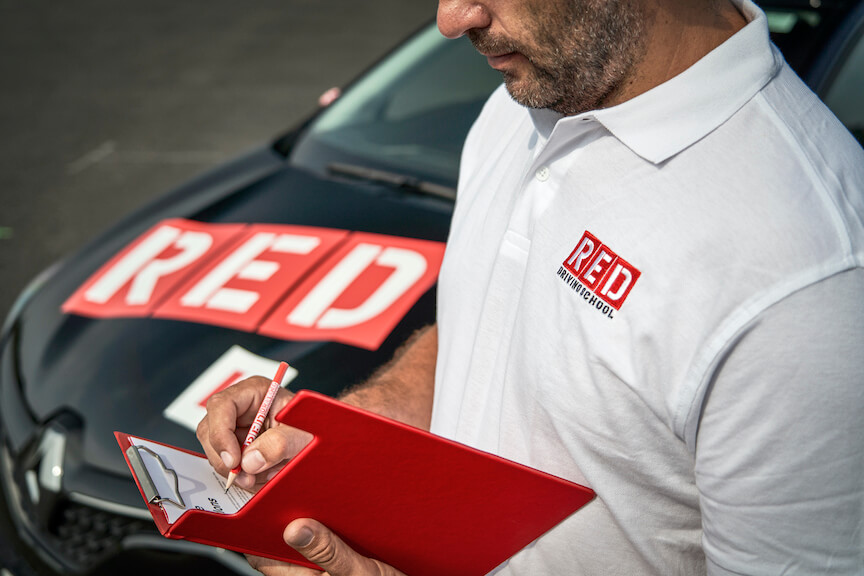
It is important to know your car inside and out. The GOV website has a good acronym: FLOWER to remember the car checks. Fuel, Lights, Oil, Water, Electrics and Rubber.
Keeping yourself, your car, and its contents secure is part of responsible driving. Be aware of your surroundings, always lock your vehicle and don’t leave valuables on display.
Level 2 – Theory test preparation
All about the theory! If you have not completed your theory test yet, then you are at the right level. This section tells you everything you need to know and prepares you for your test.
Gain reliable answers to your training-related questions whilst staying ‘on the go’ via email, from our expert Training Support Team.
How to book your theory test and what you need to book online.
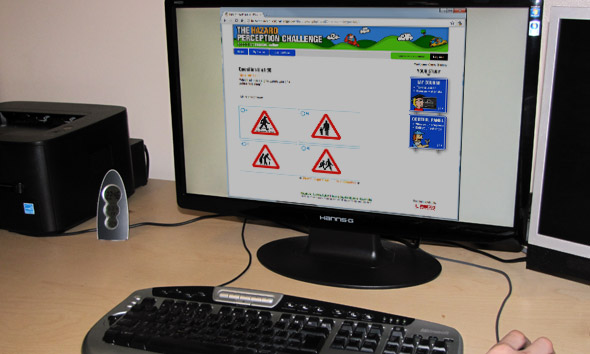
Preparing for what topics will be covered. For example, the Highway Code, road signs and their meanings.
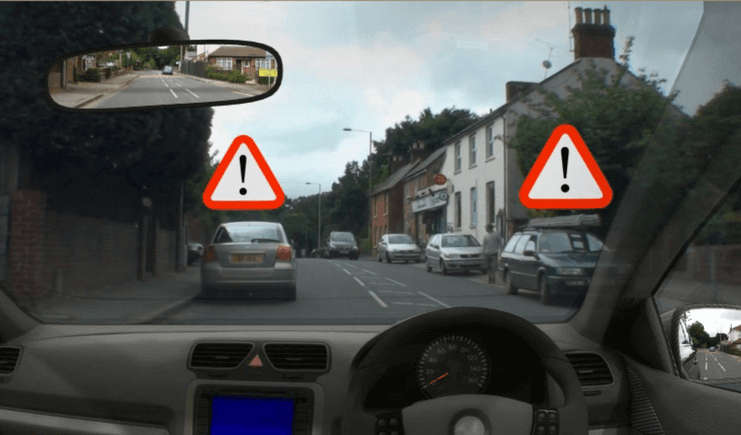
The hazard perception section consists of 14 video clips; 13 clips contain 1 developing hazard, and 1 clip contains 2.
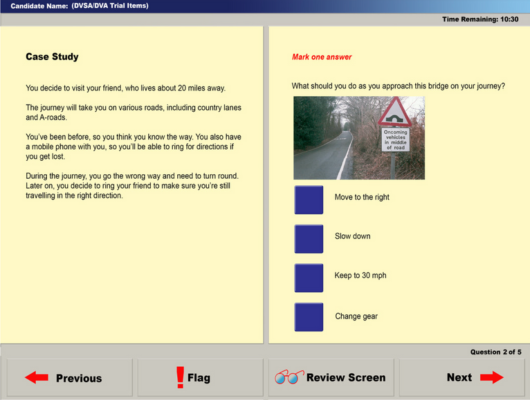
Understanding how to answer the case study questions within your theory test and using the RED app to practice these questions.
Just before you put your foot on the accelerator, there are some key actions to take to make sure you, your passengers and the car are ready.
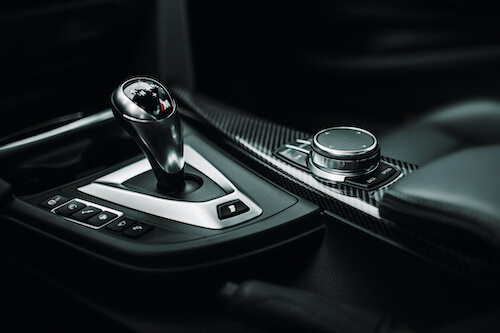
Learn the routine steps and checks that need to be done before turning the engine on, and the order in which they are carried out these checks.
Know what additional steps need to be taken before putting your foot on the pedal.
Starting from the beginning will cover the first steps of driving and controlling a car. Knowing the knowledge in this section will help you apply it in your driving lessons and prepare you for test day.
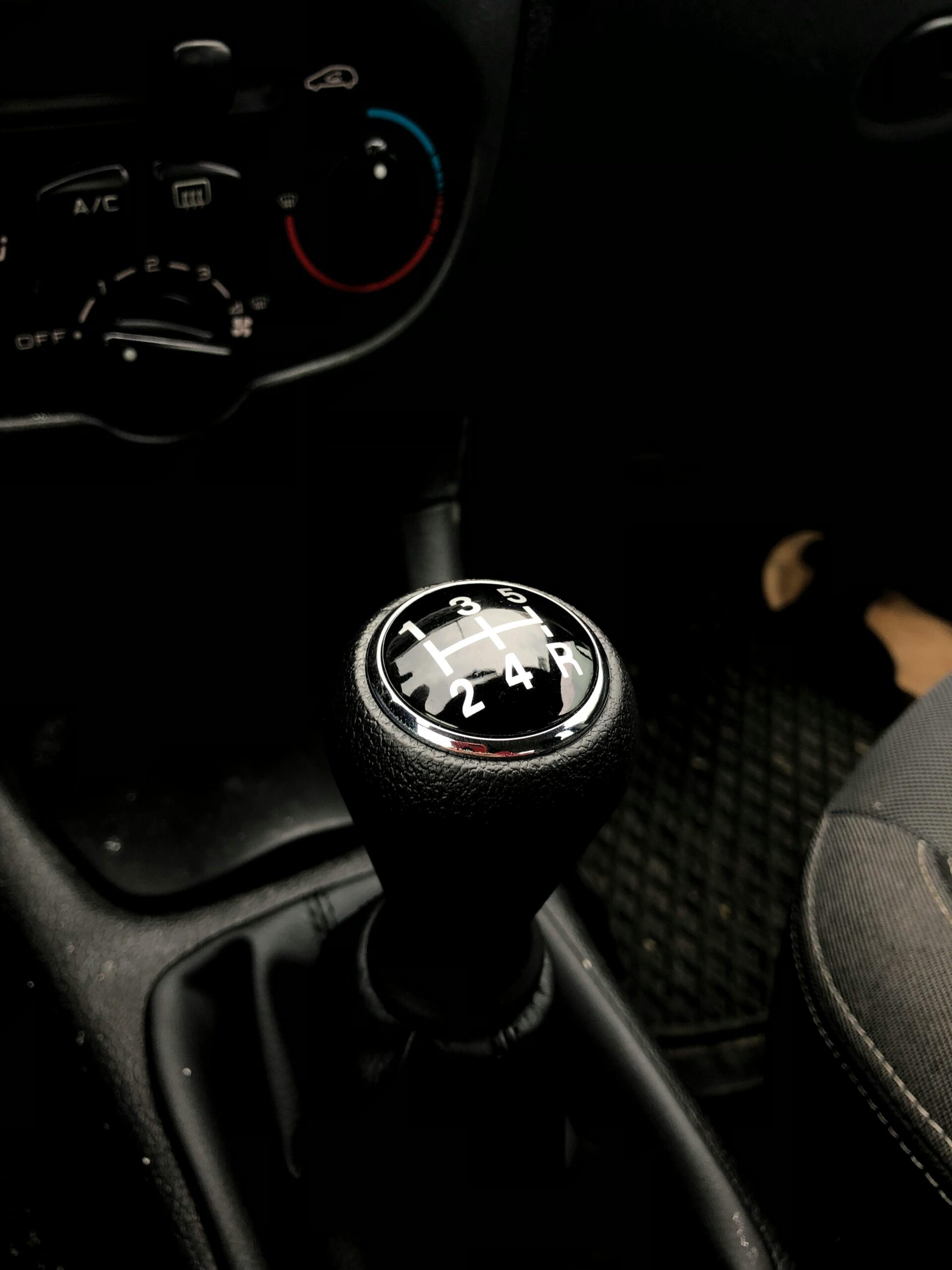
Before you can drive, you need to know what each control does. Understanding how to use the steering wheel, pedals, and gears gives you the foundation for safe driving.

Mirrors let you see what’s happening around your car. Learning how and when to check them is vital for safe awareness and decision-making.
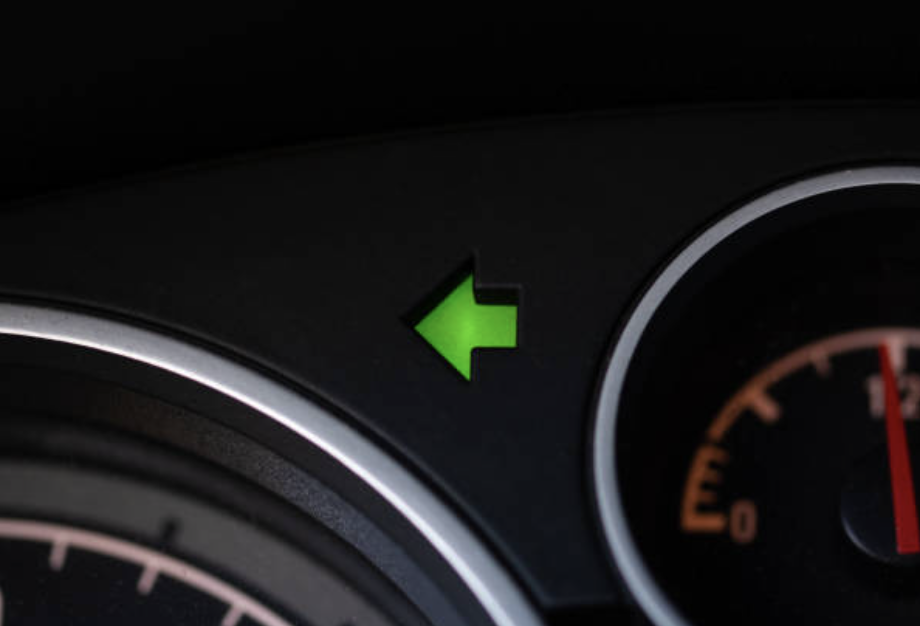
Indicators let other road users know what you plan to do. Knowing when and where to signal avoids confusion and reduces risks.
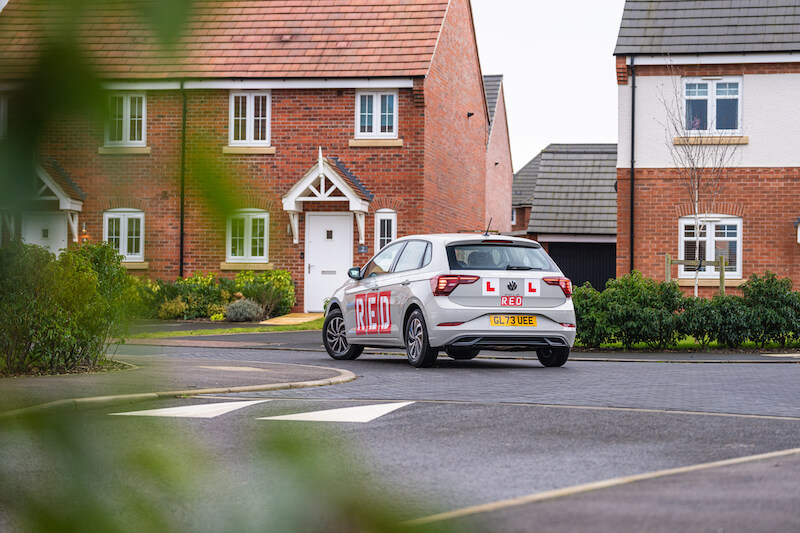
Starting your journey correctly means checking your surroundings and setting off smoothly. This ensures you join traffic safely and with confidence.
Bringing the car to a safe and controlled stop is just as important as moving off. It means using the correct procedure to protect yourself and others.
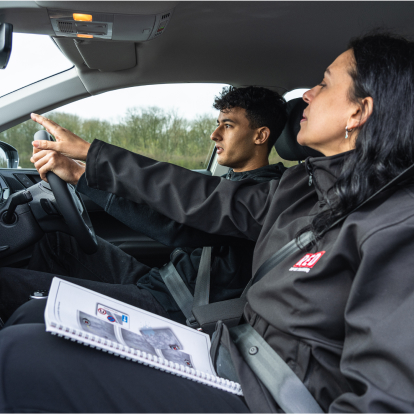
Some areas can’t be seen with mirrors alone. Checking blind spots and being aware of your surroundings helps prevent collisions.
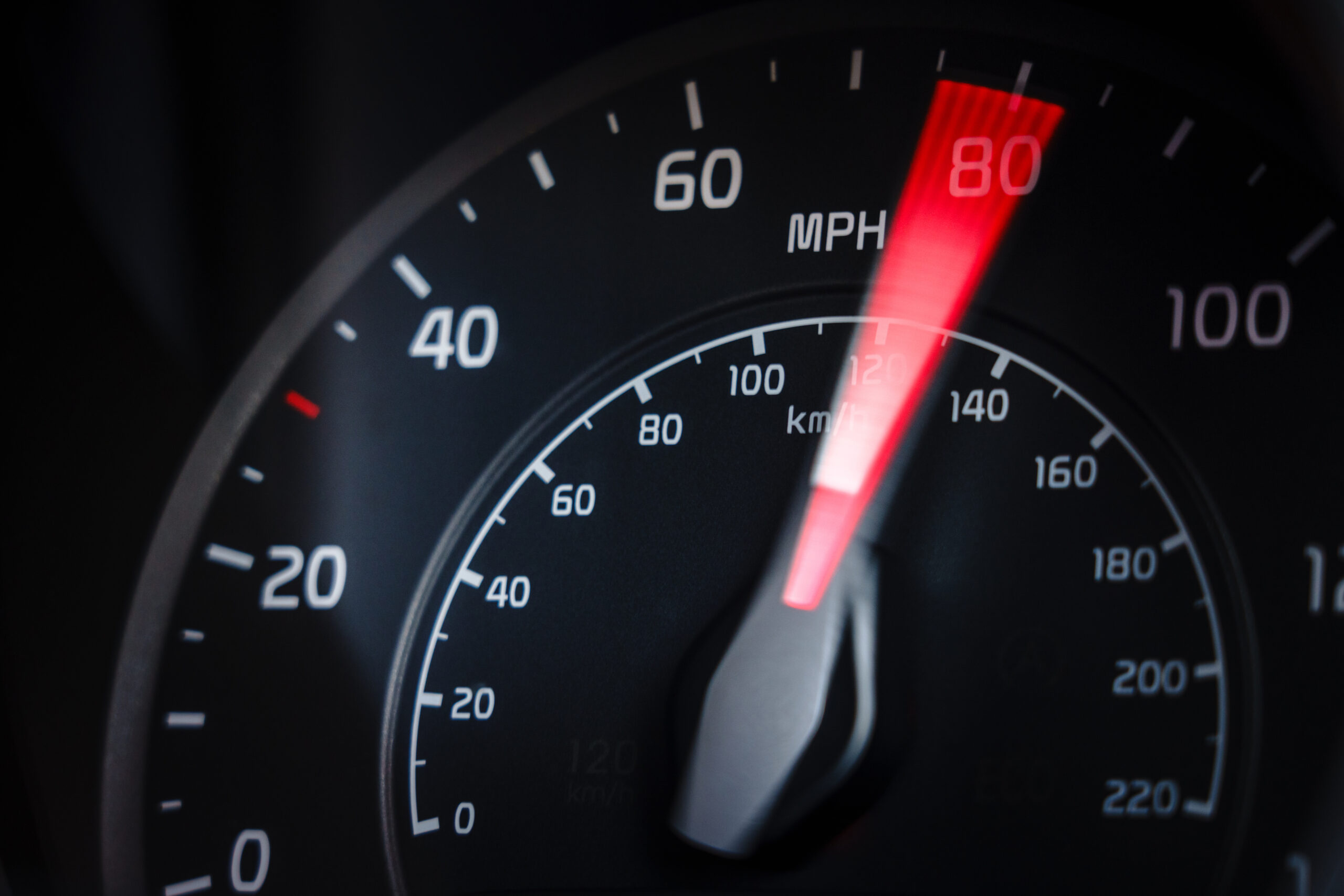
Managing speed is about matching road conditions, limits, and safety requirements. Good speed control keeps you in full control of the car.
The MSM routine is a step-by-step process to help you prepare for any action on the road. It keeps your driving predictable and safe.
The PSL routine helps you approach hazards and junctions correctly. It breaks the process into simple steps, making driving smoother and safer.
Going up a gear will cover the more advanced areas of learning how to drive, once the basics have been covered. Knowing the knowledge in this section will help you apply it in your driving lessons and prepare you for test day.

Junctions are where many drivers make mistakes, so learning how to approach and deal with them safely is essential. This includes knowing who has priority and how to position your car correctly.
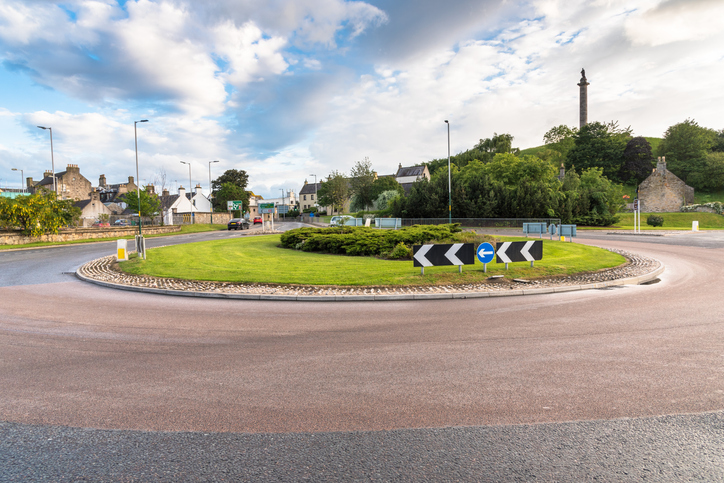
Roundabouts can feel complicated at first, but with practice, they become straightforward. You’ll learn how to choose the right lane, signal at the right time, and join and leave safely.
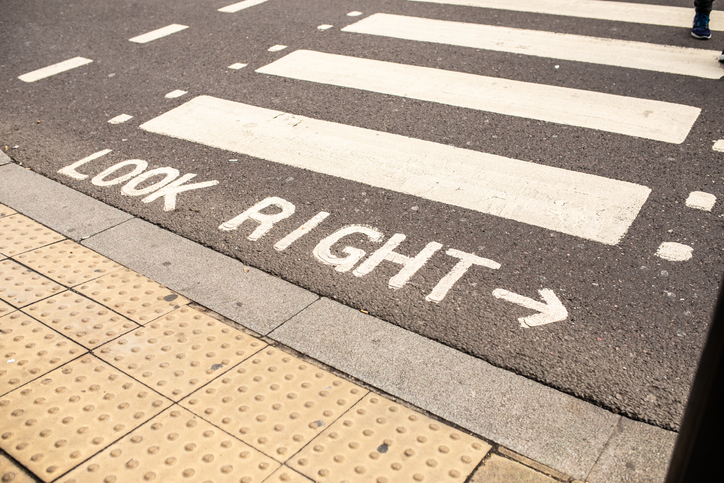
Pedestrian safety is a top priority. Knowing how to spot crossings early, react correctly, and give way where needed keeps everyone safe.

Parking and manoeuvring are skills that need patience and practice. You’ll learn techniques for different parking situations and how to control the car in tight spaces.
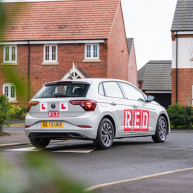
Reversing requires careful control and good observation. Understanding how to reverse safely helps with parking, turning in the road, and handling tight spots.
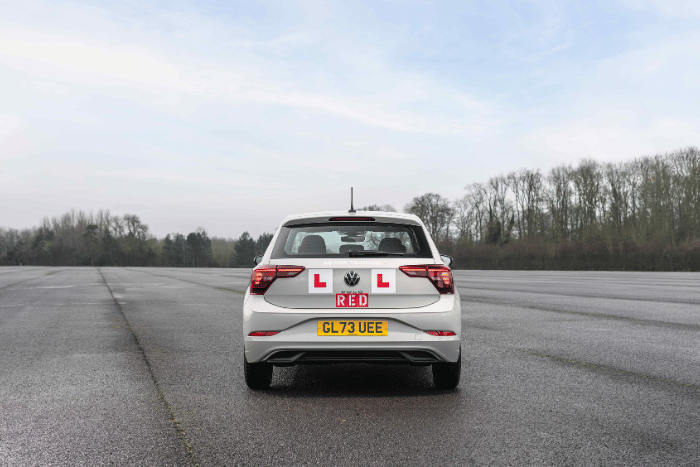
Sometimes you need to stop quickly without warning. Practising emergency stops teaches you how to react calmly and bring the car to a safe, controlled halt.
It is important to be aware of the different types of environments you will be driving in, i.e. types of roads, weather conditions, and time of day. This section provides information about different conditions and the best way to handle them.

Country roads can be narrow, winding, and unpredictable. Learning how to manage blind bends, hidden entrances, and uneven surfaces keeps you safe in rural areas.

Dual carriageways allow faster travel but require careful planning for joining, overtaking, and leaving safely. Understanding lane discipline and speed limits is essential.
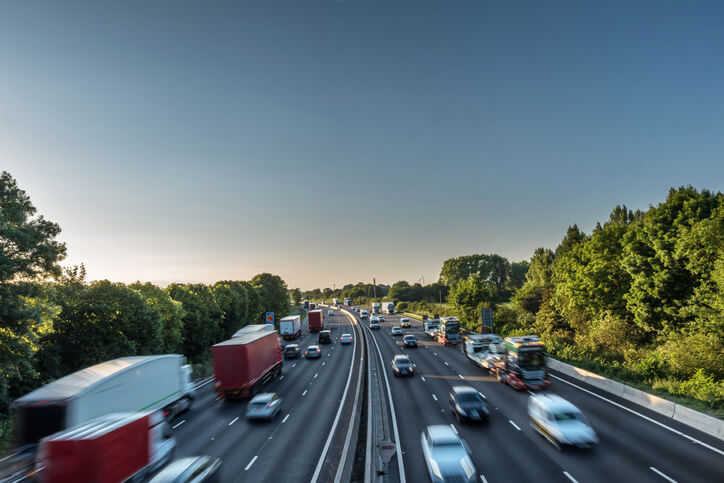
Motorways are the fastest and busiest roads you’ll use. You’ll learn about joining and leaving, overtaking safely, and staying alert at higher speeds.

Weather has a big effect on how your car handles. Knowing how to adjust your driving in snow, heavy rain, or even hot conditions helps you stay in control.
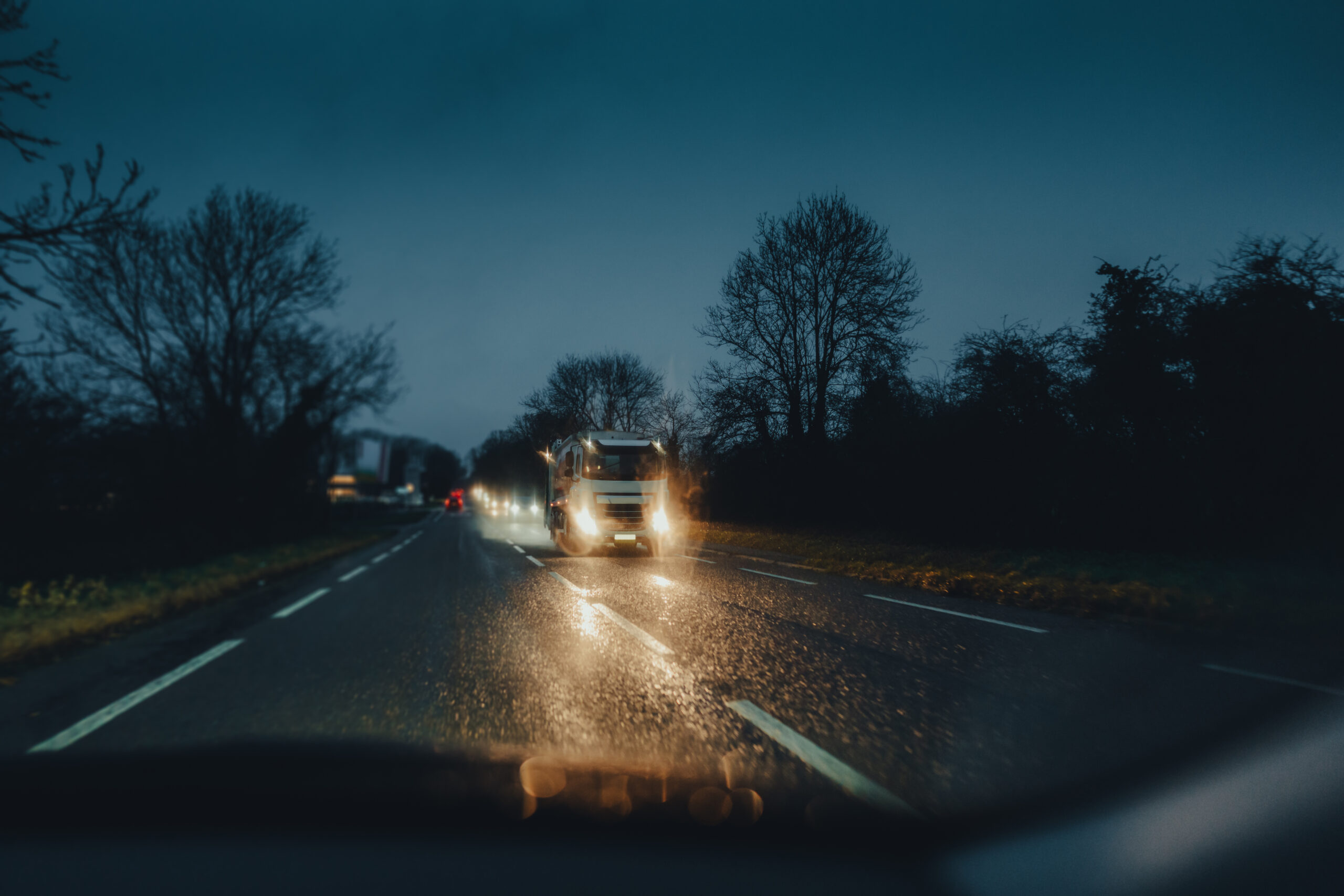
Night driving can feel challenging due to reduced visibility. Learning how to use your headlights correctly and spot hazards early makes driving in the dark safer.
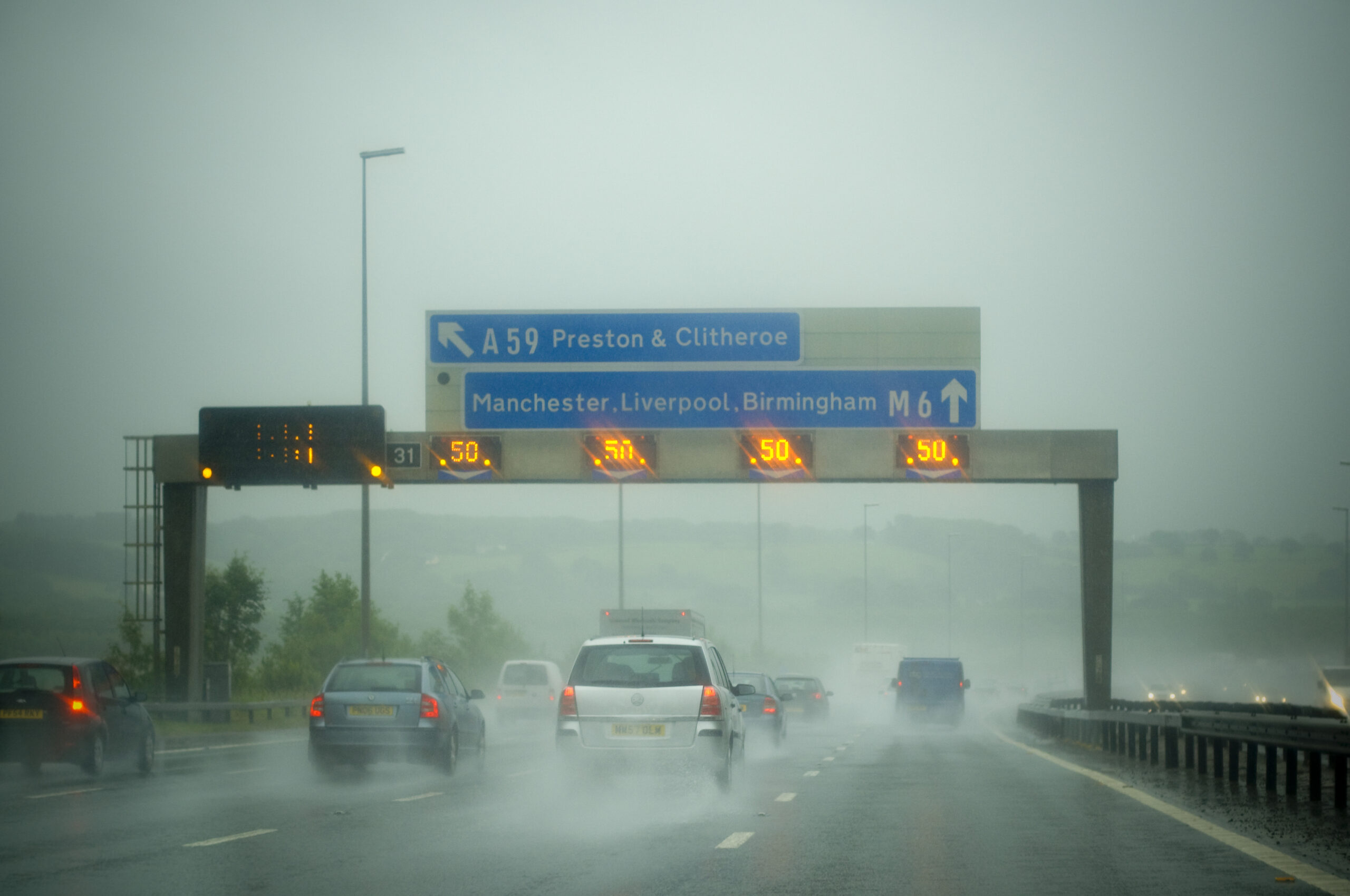
Driving in fog is one of the most dangerous conditions for drivers. You’ll learn how to use fog lights, adjust speed, and increase following distance to reduce risk.

Carrying passengers or heavy loads changes how your car handles. Understanding how to adjust your driving ensures safety for everyone on board.
Let’s get you prepared for test day! This section goes into the important details of the day of the test and what to expect

You are required to follow a SatNav during your test to show your ability to drive while following directions.
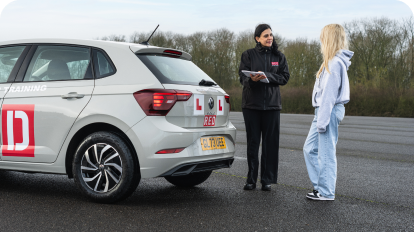
These are a set of questions and answers that your test instructor can ask you before, during and after your driving test.
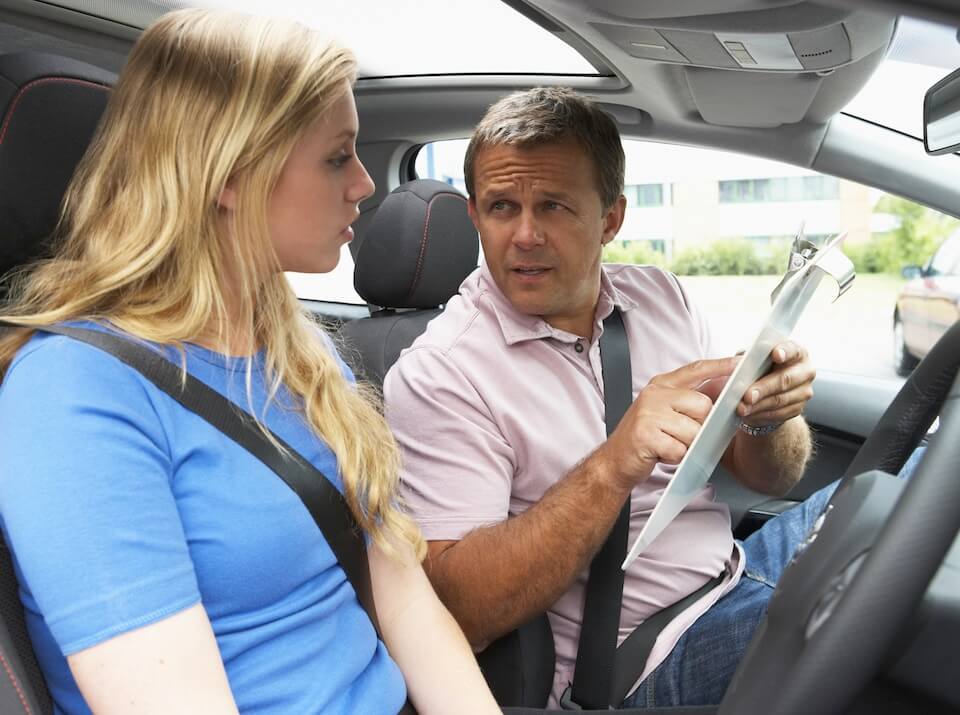
Any mistakes made during your test are classed as minor or major, and the instructor marks you during the test.
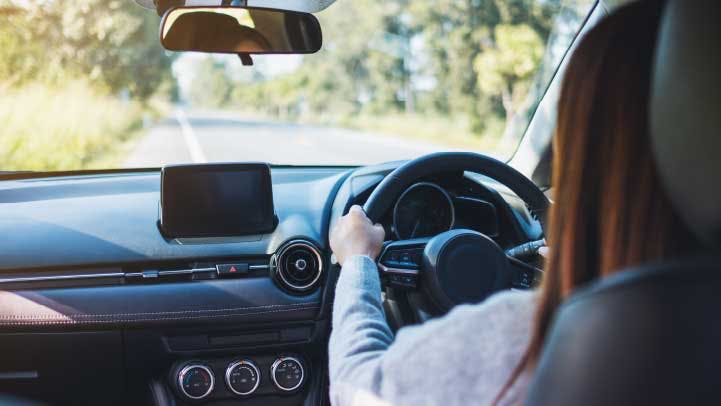
During your test, you will be asked to perform one of the following manoeuvres: Parallel park, pull up to the right, or bay parking (reverse or forward). Plus, you will be asked to perform an emergency stop.
It’s test time – make sure you are prepared for the day and have all that is required for your driving test to take place.
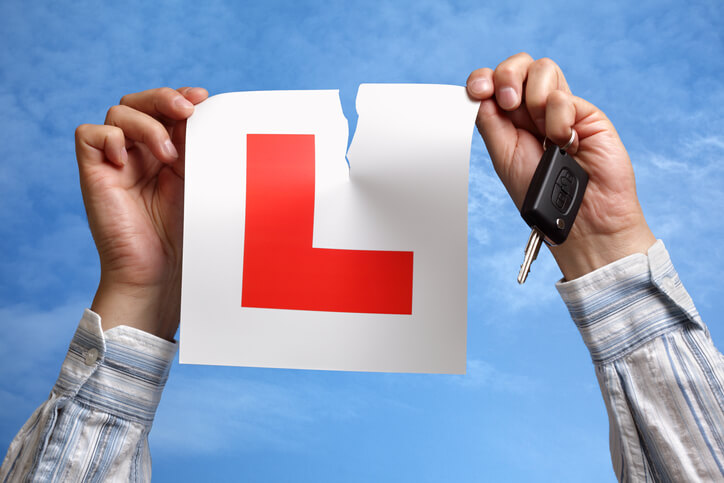
Make sure you have everything prepared for the day of your driving test. For example, things you need are: a provisional driving licence, your theory test pass number and confirmation of your test appointment. Without any of these, the practical driving test will be cancelled.
 0330 332 2680
  Book Online
  Login MyRed