Book Online

Guide to using your car headlights

Knowing how to use car headlights properly is essential for safe driving. Yet many newly qualified drivers feel unsure about which lights to use and when.
This guide covers everything you need to know about car headlights, from sidelights to full beam, so you can drive confidently in all conditions.

Download our app

What are the different types of car headlights?

Your car has several different lights, each designed for specific situations. Understanding what they do will help you use them correctly.


Sidelights (parking lights)

A common question asked is: What are car sidelights? They are the small, dim lights at the front and rear of your vehicle that you may also hear being called parking lights.

These lights make your car visible to others without producing a strong beam and obstructing someone’s vision. You can identify the sidelight car symbol on your dashboard or light switch. It usually looks like two small semi-circles facing away from each other with lines radiating outwards.


Dipped headlights

Dipped headlights are the main driving lights for most conditions. They point slightly downwards and to the left to avoid obstructing other drivers’ vision.

When you turn on your dipped headlights, you will see a green symbol on your dashboard. It shows a headlight shape with lines pointing downwards.


Full beam headlights

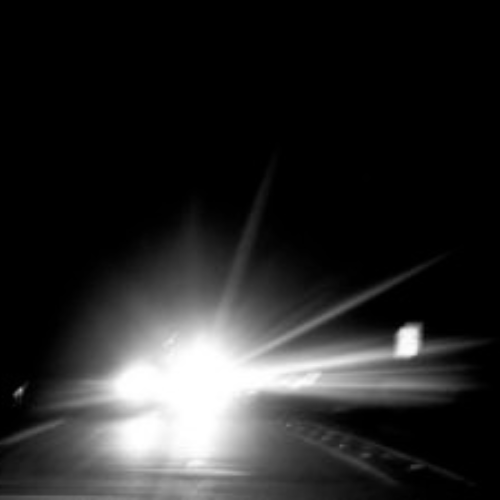
Full beam headlights provide maximum visibility. These lights shine straight ahead and light up the road much further than dipped headlights. These should not be used if there are cars directly in front of you or in lit-up areas. The most common situation you will use these is when driving at night through country lanes.

The full beam headlight symbol is usually blue and shows a headlight with horizontal lines. This symbol appears on your dashboard when the full beams have been turned on.


When to use each type of car headlights

Each headlight has a reason for use, and you will use some more than others depending on the time of day and the weather conditions. Here is a breakdown:


When to use sidelights

You need to use your sidelights when visibility is slightly reduced, but you do not yet need headlights. This includes times like dawn and dusk.

You must also use sidelights when parked on a road with a speed limit above 30 mph at night. This ensures other drivers can see your stationary vehicle.


When to use dipped headlights

The Highway Code states you must use dipped headlights when visibility is seriously reduced. This generally means when you cannot see for more than 100 metres ahead.

You must use dipped headlights in these conditions:

  • At night, except on roads that have lit street lighting
  • During heavy rain
  • In fog, mist or snow
  • At dawn and dusk, when sidelights are not enough

Dipped headlights are your default choice whenever you need to see and be seen.


When to use full beam headlights

When to use full beam headlights is straightforward. Switch them on when driving at night on unlit roads where you need maximum visibility. However, you must dip your headlights when another vehicle approaches. Full beam can temporarily blind other drivers, which is dangerous for everyone. Also, dip your lights when following another vehicle. Your full beam will reflect in their mirrors and dazzle them.

How to turn on car headlights

The location of your car light controls will vary on the car model, however here are some of the common setups:


Stalk control

Many cars have a stalk on the left side of the steering column. You twist the end of the stalk to cycle through the light settings.

  • First position: Sidelights, which also light up the rear registration plate.
  • Second position: Dipped headlights
  • Push or pull the stalk: Full beam headlights


Dial control

Some vehicles have a dial on the dashboard, usually to the right of the steering wheel. Turn the dial to select your light setting. The symbols on the dial match the dashboard indicators mentioned above.


Automatic headlights

Many modern cars have automatic headlights. When set to auto, the car detects low light levels and turns on the appropriate lights. However, you should still know how to use car headlights manually. Automatic systems can sometimes misjudge conditions.

Adjusting car headlights

Correctly adjusting your car headlights is essential for safety. If they point too high, you will dazzle other drivers. If they point too low, you will not see far enough ahead.

Consider adjusting car headlights when your vehicle is heavily loaded. Extra weight in the boot can cause your headlights to point upward. Many cars have a headlight levelling dial on the dashboard. Check your handbook for the correct setting based on your load.

The Highway Code UK breakdowns the lighting requirements for multiple scenorios.

Visit Highway Code UK

How to check your headlight alignment

Here is step by step on how to check your car’s headlights are aligned correctly:

  1. Park on a flat surface facing a wall or garage door
  2. Turn on your dipped headlights
  3. The brightest part of each beam should be slightly below the centre line of the headlight
  4. The beams should be level with each other

If your headlights seem misaligned, have them adjusted by a professional. Incorrectly aimed headlights can cause an MOT failure.

Common mistakes new drivers make

Once you have learnt how to drive, getting used to your car and all the controls can take some time. Here are a few mistakes that are common for new drivers:

  • Forgetting to turn lights on: Relying on automatic headlights can lead to complacency. Always double-check that your lights are on in poor conditions.
  • Using full beam inappropriately: Some drivers forget to dip their headlights when meeting traffic. Check your dashboard for the blue full beam headlights symbol and dip immediately when you see another vehicle.
  • Driving with fog lights on in clear weather: Fog lights are used in reduced visibility, such as fog or falling snow. Using them in clear conditions can dazzle other drivers and is illegal.
  • Not checking bulbs regularly: A blown headlight bulb reduces your visibility and can result in a fine. Check all your lights work before setting off, especially on longer journeys.


Legal requirements

The law is clear about when you must use your car lights.

  • You must use headlights between sunset and sunrise
  • You must use headlights when visibility is seriously reduced
  • You must not use full beam in a way that dazzles other road users

Driving without proper lights can result in a fine of up to £1,000. More importantly, it puts you and other road users at risk. You can find out more about this on the GOV website.

FAQs

How do I know if my full beam is on?

Check your dashboard for the full beam headlights symbol. It is typically a blue icon showing a headlight with horizontal lines projecting from it.

Can I drive with just sidelights on?

Sidelights alone are not suitable for driving in the dark or in poor visibility. They do not provide enough light to see the road ahead. Always use dipped headlights when visibility is seriously reduced.

When should I switch from dipped to full beam?

Switch to full beam on unlit roads at night when you need to see further ahead. Always switch back to dipped headlights when you see oncoming traffic or when following another vehicle.

How often should I check my car lights?

Check all your lights at least once a week. Before any long journey, do a quick walk around your car to make sure everything is working.