Book Online

Everything you need to know about charging an EV

If you have just passed your test, driving an electric car may feel new. Charging is one of the biggest differences from petrol or diesel. This guide explains how it works, what it costs and what to expect on UK roads.

Download our app

Electric vehicle charging

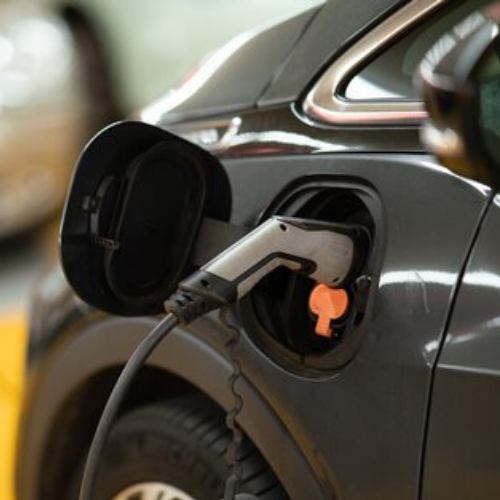
Electric vehicle charging is the process of topping up your car’s battery with electricity. You plug your car into a charge point electric vehicle system instead of filling a tank.

Your battery stores energy and powers the motor. When it runs low, you recharge it at home or at an EV charging station. To find a local charging point, you can use ChargeFinder.

How to charge an electric vehicle?

Charging an electric vehicle might be new to you, but it is very simple, especially after a few times.

The first step is to find a local charging station (if you don’t have a charging point at home) and park near a compatible charging point. Once you have plugged the cable into the car, you can start the session either by using an app (depending on which station you are at) or by making a card payment. Some cards and chargers connect automatically, but others you may need an app.

Wait for your car to be fully charged or stop it when you have enough battery. The length of time this will take depends on the vehicle and the charging stations – some are faster than others.


Find out more

The different type of charging points

Not all EV charging points are the same, and the main difference is the speed of charging:

Slow charging

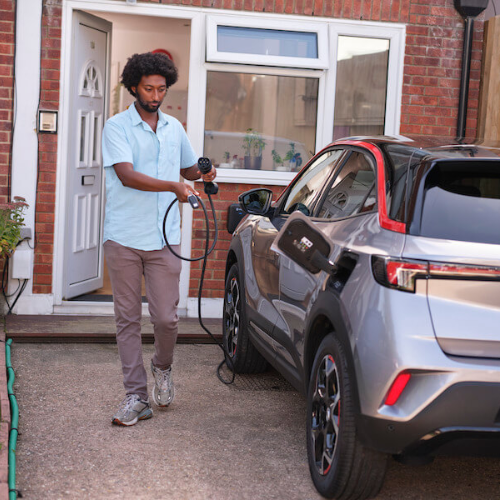
Slow charging points are normally the charging points you can have installed at home. This means you can leave the car on charge whilst in your house and even overnight. Home charging points benefit from being lower-cost and more convenient for EV owners.

Fast charging

Charging stations that offer fast charging speeds are normally found in public places such as car parks and supermarkets. This helps with available charging points for public use and is good for topping up while you are out.

Rapid charging

These types of charging points, which are known for rapid charging, are mainly found on motorway services and main routes. This is the best electric charging option when you need a quick boost whilst on a long journey.


How long does it take to charge an electric vehicle?

How long it takes for your electric vehicle to charge depends on three things:

  • Battery size
  • Charger speed
  • How full the battery was when starting

A slow charger (i.e. a home charging point) can take several hours, whereas a rapid charger can add a large amount of range in under an hour.

Find out more

Electric vehicle charging cost

Electric charging for your vehicle can vary in cost depending on where and when you charge.

  • At home – This is usually the cheapest option as you pay your normal electricity rate, and if you have off-peak tariffs with your electricity company, then you can reduce the cost even further.
  • Public charging – public charging stations can cost more depending on the location and the speed of charging. Rapid chargers are often the most expensive and it has been reported that public charging has increased by 38% since 2021.

If you are wondering how much it costs to charge an electric vehicle, a full charge at home is often much cheaper than a full tank of fuel. However, public charging varies widely.

Some properties, such as your workplace, hotels or supermarkets, may offer free charging for paying customers or staff, but it is always best to check first. Each charging point will show prices either on the screen or via the appropriate app (the charging station will display which app is used).

Finding an electric vehicle charging station

Finding an electric vehicle charging station can be one of the main concerns when purchasing an EV, however, it can be really easy. You can find an electric charging point either via certain apps or even on your car navigation system.

There are also useful websites, such as ChargeFinder, that can locate nearby charging points.

When planning ahead on any journey, the key things to look for are:

  • Availability
  • Charging speed
  • Cost

UK electric vehicle charging law

The UK electric vehicle charging law is changing as more drivers switch to EVs. Key things to know are:

  • New homes and some buildings must include EV charge points
  • Public chargers must offer clear pricing
  • Contactless payment is becoming standard on many rapid chargers

These rules aim to make electric vehicle charging easier and fairer. You can find more on EV laws by visiting the GOV website.

FAQs

How long does it take to charge an electric vehicle at home?

Charging time can differ depending on the vehicle and where you are charging. Charging at home can take several hours, and best to charge overnight. Public charging stations can be quicker and good for topping up on journeys.


Are electric vehicle charging stations free in the UK?

In most cases, public charging stations in the UK are not free. In some situations, you can get free charging stations in places such as a workplace, supermarket or hotel. This is likely if you are a paying customer or staff.


How much does it cost to charge an electric vehicle in the UK?

It depends on your electricity rate and where you charge. Home charging is usually cheapest, as this is part of your home electricity rate. Public rapid charging costs more depending on the location.