LIMITED TIME OFFER: Save 37% on RED Driving Instructor training.

Book Online

A guide to driving at night

Driving in the dark or at night can feel intimidating, especially for new drivers. Reduced visibility, glare from headlights, and fatigue can make even familiar roads feel challenging when driving late. We’ll explore how to prepare your car, adjust your driving, and stay alert to keep yourself and others safe in the dark.

Download our app

Pass your test with RED

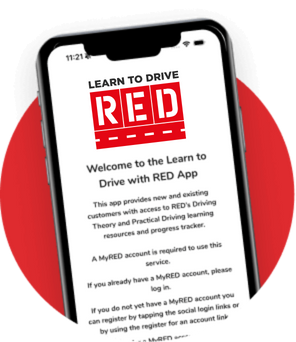
Keep your driving skills sharp with the Learn To Drive with RED app. Download the app, get a free 30-day trial plus access to practice theory test content

Why driving in the dark can be dangerous

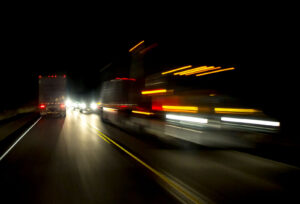
Driving in the dark lacks the same visibility you have when driving during the daytime. That means it requires a lot more concentration and awareness, as the dark can make it hard to spot hazards like pedestrians, cyclists, and animals. Here are a few reasons why you need to take extra care when driving in the dark:

  • Reduced visibility: even with headlights, your field of vision is limited. You can’t see as far ahead as you can in daylight, which means less time to react to obstacles – whether that’s oncoming cars or pedestrians.
  • Trouble driving at night because of headlight glare: other vehicles will have their headlights on, and whether they’re oncoming or behind you, looking into headlights can cause temporary “dazzling”, which makes it harder to concentrate on the road.
  • Astigmatism and driving at night: Having astigmatism and other visual impairments can lead to blurred and distorted vision. This is particularly noticeable when looking at bright lights in the dark, and can increase the impact of glare from headlights and streetlights.
  • Tiredness and reduced alertness: if you’re driving in the dark late at night, you’re likely more tired than during the daytime. As are other drivers. Being tired slows down reaction times and increases the risk of accidents.
  • Unpredictable hazards: pedestrians and cyclists can be harder to see, as not everyone wears high-visibility clothing when they should. Likewise, animals may cross roads unexpectedly in both urban and rural areas. Not seeing hazards as quickly as you normally would can lead to unexpected stops and even accidents.

Being prepared and knowing the risks can make a big difference when staying safe on the road. Throughout this guide, you’ll find tips on how to minimise these hazards, but the most important thing is to stay calm and focused, and to never drive if you feel like your reaction times are compromised.

Tips for driving in the dark

Once you’re on the road, your driving style should adjust to the conditions. Visibility is limited, and other drivers may not see you as clearly.

Use the right lights

Use dipped headlights from sunset to sunrise, or whenever visibility is reduced. This ensures you’re visible without blinding other drivers. You should avoid using full beams in built-up areas or when there are other vehicles nearby, as this can cause dazzling.

If you’re on an unlit country road and need to use full beam, switch back to dipped lights as soon as you see another vehicle’s headlights or rear lights.

You should also make sure your lights are clean and correctly aligned: poorly aimed headlights can limit how much of the road you can see and may dazzle others even when dipped.

Keep your distance

Because of the reduced visibility, it’s harder to judge distances at night. Increase your following distance from the usual two-second rule to at least three or four seconds, especially on faster roads. This gives you more time to react if something unexpected happens.

Watch for pedestrians and cyclists

Reduce your speed when approaching junctions, crossings, or poorly lit streets. Scan the edges of the road as well as straight ahead, and look out for movement or reflective surfaces.

If you’re driving through a village or near a school zone, be particularly cautious. Slowing down gives you extra reaction time in case someone steps out unexpectedly.

Avoid looking directly at oncoming headlights

You should always avoid directly looking at the headlights of other cars, as this can cause dazzling and temporary impairment of vision. Instead, look to the left-hand edge of your lane, and use white line markings (if they’re there) as a guide until your vision adjusts.

You should also make sure to keep your windscreen clean and avoid smudges, as this can make glare worse.

Manage fatigue

Driving while tired is dangerous to yourself and other people on the road. If you start to feel drowsy, pull over safely and take a short break. Avoid long night drives after a full day of work, and consider sharing the drive if possible.

Reduce your speed

At night, you can only see as far as your headlights allow. So your speed should reflect how much of the road you can actually see. This is known as “driving within your headlights’ range.” Reduce your speed on dark, winding, or unfamiliar roads, and approach bends or junctions cautiously. Avoid sudden braking or sharp steering movements, as these can cause skidding, especially if the road is wet or icy.

Practise driving in the dark as a learner driver

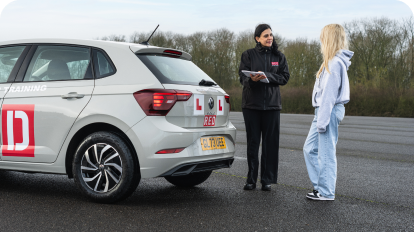
Driving at night can feel daunting for learners, but the best way to build confidence is with supervised practice. If you’ve already started driving lessons, ask your instructor about booking an evening lesson. This lets you get used to the different lighting conditions, how to handle glare, and experience how your car feels at night, all in a safe, controlled environment. If you’re practising with a qualified supervisor instead, make sure they check their insurance covers this, as some providers may restrict learner supervision after a certain time.

You’ll also become more confident managing features like dipped beams, fog lights, and demisters, which are all part of your practical driving test skills. The more varied your experience, the better prepared you’ll be for driving independently, day or night.

FAQs

Can I drive at night as a learner?

Yes, you can drive at night as a learner driver, provided you are supervised by a qualified driver over the age of 21, who has been driving for at least 3 years. As driving in the dark presents its own challenges, it’s advisable you practise in these conditions. You can book evening lessons with instructors that will take place in the dark, replicating the conditions of driving at night. 

Can I have a driving test in the dark?

Some driving test centres offer tests after 4.30pm. Depending on the time of year, this may or may not be in the dark. Check the availability of your local test centre, but be mindful that these tests might cost more as they are outside normal test hours.

Why do I struggle driving at night?

Lots of people struggle with driving at night, as it provides different challenges you don’t have in broad daylight. Reduced visibility means you need to concentrate more; it’s harder to see hazards, so you need to adjust your speed and stopping distances, and you might have visual impairments like astigmatism that increase the impact of glare from headlights. Whatever the reason for struggling, you should make sure you practise driving at night, stay calm and focused, and only go as fast as you feel comfortable.

You may also be interested in…

Learn To Drive With RED app

Find out more

The cornerstone of learning to drive efficiently is being able to monitor and track your progress to test success, and our new app, Learn To Drive With RED, puts learning to drive in the palm of your hand.

Find out more

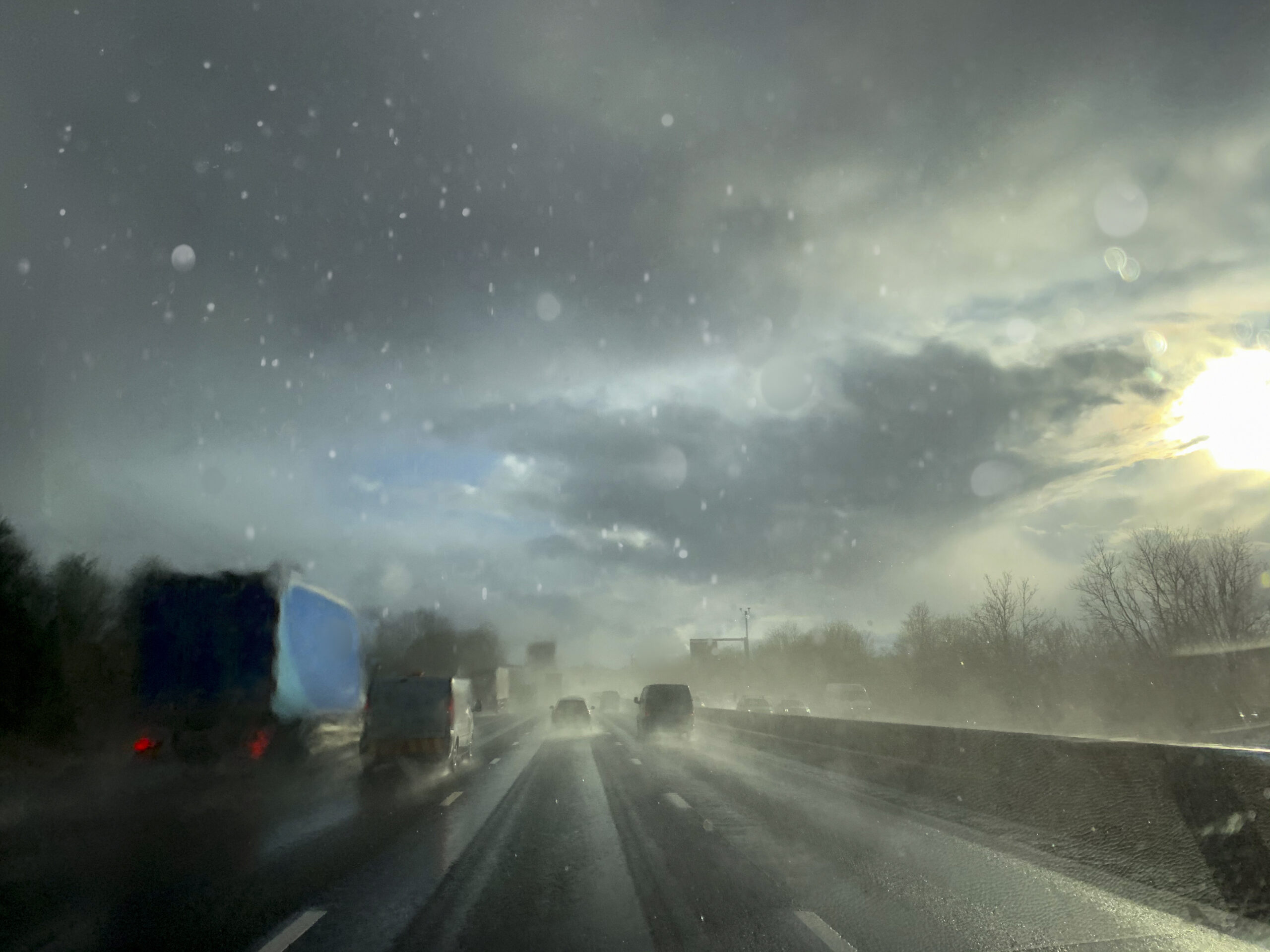
Driving in the rain

Read more

Learn everything you need to know about driving in the rain, from how to know your car is prepared to understanding stopping distances.

Read more

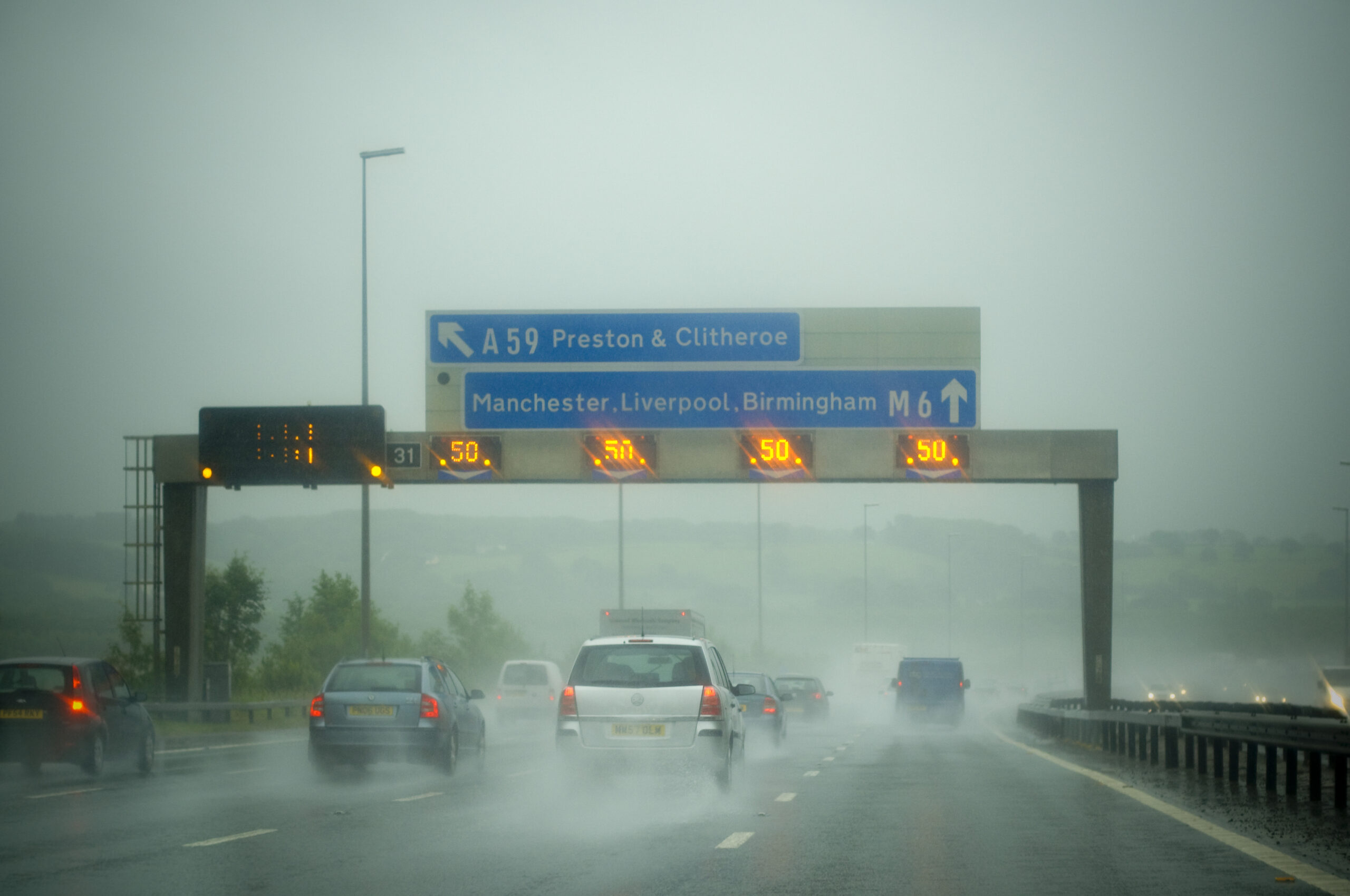
Driving in the fog

Learn more

In this guide, we'll walk you through everything you need to know about driving in fog. You'll learn what fog actually is, why it's so challenging, everything about fog lights, and how to drive safely in fog.

Learn more
Download the Learn to Drive with RED app
4.5800 ratings 4.5 out of 5 from 800 ratings